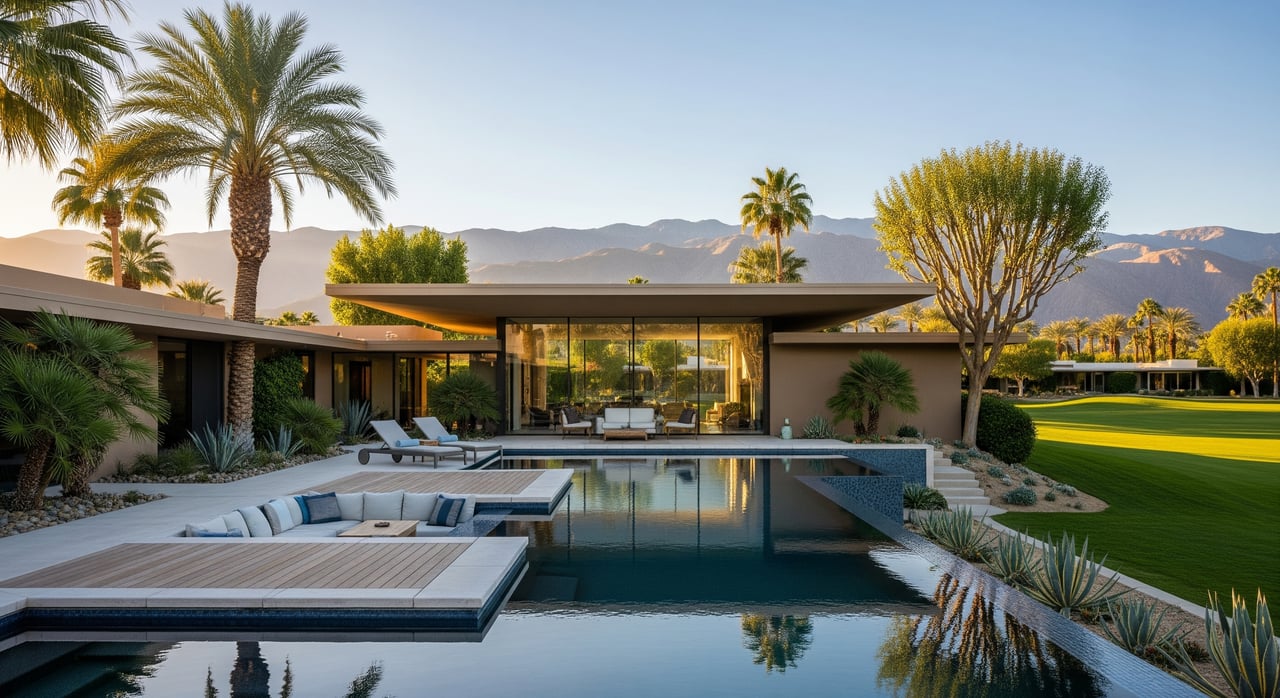
Best Time to Buy in Rancho Mirage Real Estate
December 18, 2025
December 18, 2025
Trying to time your Rancho Mirage purchase? In a resort market shaped by seasonal visitors, timing can change your options, speed, and leverage. If you’re buying a primary home or a second home, you want a plan that fits how this market actually moves. In this guide, you’ll learn when selection peaks, when negotiation power improves, how snowbirds affect pricing, and the exact steps to prepare before key weeks. Let’s dive in.
Rancho Mirage runs on two overlapping cycles. The first is snowbird season, roughly November through March or April, when seasonal residents arrive from colder climates. Buyer activity jumps, especially for turnkey properties suited to a second-home lifestyle.
The second is the traditional spring market, typically March through May. Many sellers prefer to list in spring, which often creates the broadest selection of homes. In a resort community like Rancho Mirage, these two cycles stack: strong buyer demand overlaps with a wave of new listings.
During snowbird and spring months, well-priced, move-in-ready homes attract multiple offers and sell faster. Sellers are also more confident, so list and sale prices tend to align more closely, and concessions can be limited.
In late summer and early fall, buyer traffic slows. Days on market usually lengthen, giving you more time for showings, negotiation, and requests for credits or repairs. If you prioritize value and leverage, this quieter window is your opening.
Spring typically brings the broadest selection as seasonal and year-round sellers list. You’ll see more variety in price points, neighborhoods, and floor plans. Expect active competition on standout homes, so have financing ready and be decisive on the top candidates.
The off-season often means fewer buyers and more flexibility from sellers. Homes that have been on the market through the winter and spring may be positioned for price conversations, credits, or extended timelines. If you’re open to minor improvements or a longer search, late summer to early fall can deliver meaningful savings.
If your goal is to use the property during the same winter, target early fall for closing. That gives you time for inspections, escrow, and small updates before peak season. You avoid the winter rush and can settle in before visitor traffic climbs.
Turnkey condos, single-level homes, and golf-course properties tend to see the strongest winter and spring demand. These homes line up perfectly with second-home needs, which means faster sales and firmer pricing when snowbirds are in town.
Properties that need cosmetic work or system upgrades often sit longer, especially in off-peak months. If you’re comfortable with light renovation, the late summer to early fall window can be an opportunity to negotiate price or ask for credits.
Upper-end homes can have longer marketing timelines, but motivated luxury buyers concentrate their searches in snowbird season. Expect polished presentations and selective sellers. If you want a specific view corridor or architectural pedigree, spring’s broader inventory may help you match your wish list.
Shop late winter through spring for the most inventory. Pre-plan travel, preview listings virtually, and be ready to make quick, informed decisions.
Target late summer to early fall. Focus on homes with longer days on market and ask for credits that cover key improvements.
Buy by early fall. Build buffer for inspections and small projects so you can enjoy peak season.
HOA rules, amenities, and short-term rental policies can vary by community. Review association documents early, confirm what is allowed, and factor all carrying costs into your budget. This upfront diligence helps you compare homes on a true apples-to-apples basis and avoid unexpected restrictions.
Decide whether you value selection or savings more, then plan your search around that priority. With the right prep and guidance, you can secure a home that fits your lifestyle and timeline.
Ready to map out your timing and shortlist? Schedule a private strategy session with Ryan Cummings to align your plan with Rancho Mirage’s seasonal rhythms and your goals.
Stay up to date on the latest real estate trends.
Etiam non quam lacus suspendisse faucibus interdum. Orci ac auctor augue mauris augue neque. Bibendum at varius vel pharetra. Viverra orci sagittis eu volutpat.