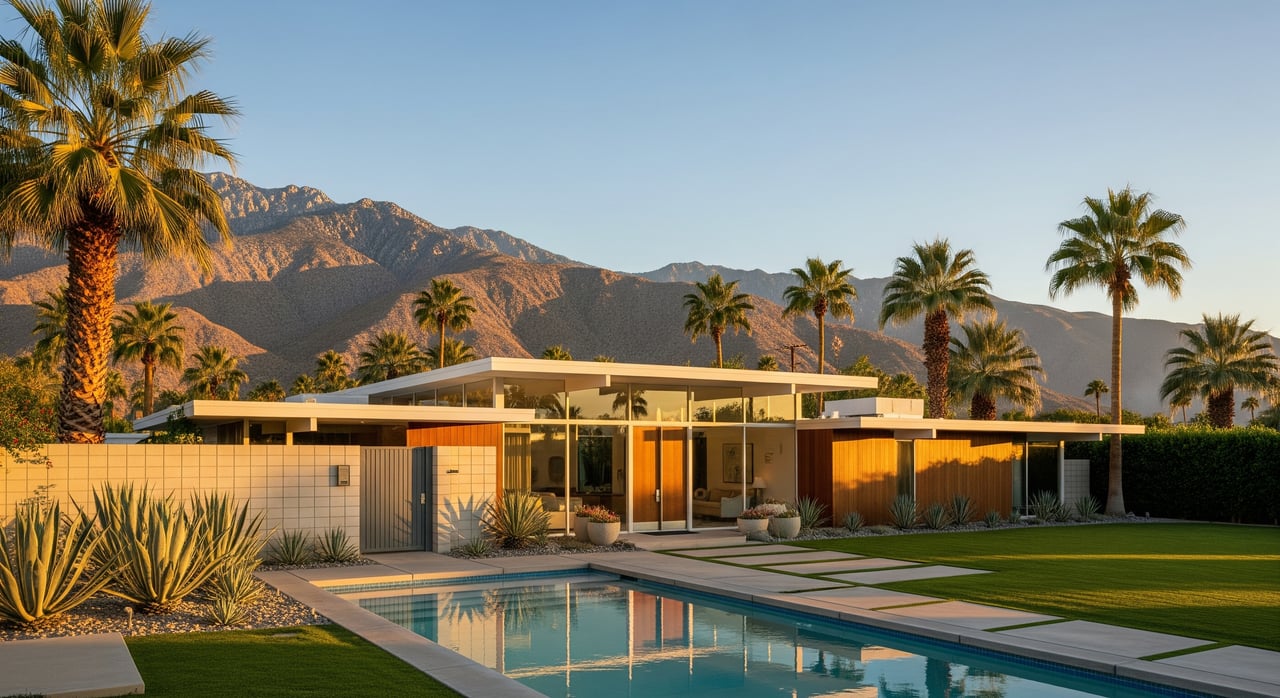
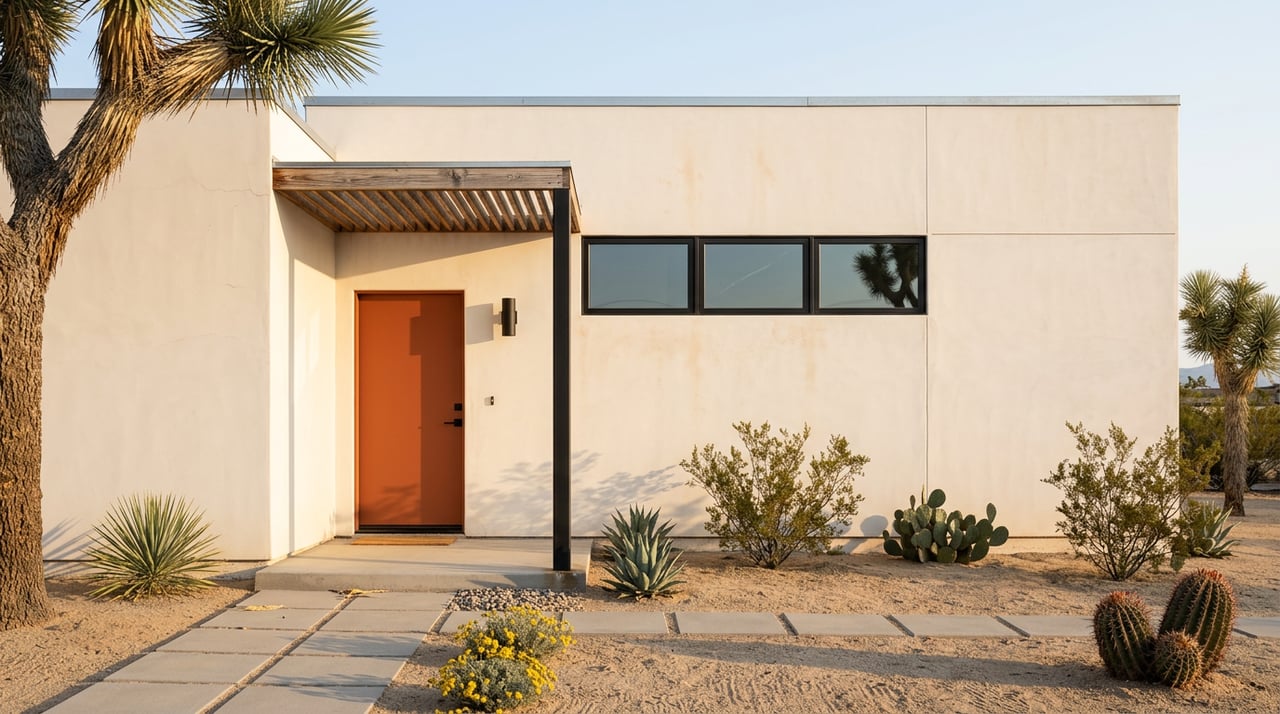
You find a beautiful midcentury home in Palm Springs, then see the words “leased land.” What does that mean for your costs, financing, and long-term plans? If you love design-forward homes here, you will run into both fee simple and leasehold options.
This guide breaks down how each works in Palm Springs, what you pay, how lenders view leaseholds, and what to check before you write an offer. You will get a clear checklist and practical tips tailored to local norms. Let’s dive in.
Fee simple vs. leasehold
Fee simple means you own the land and the home. It is the most complete form of private ownership and is common for single-family homes across Riverside County.
Leasehold (also called leased land or a ground lease) means you own the home but lease the land from another owner for a set term. You pay ground rent and follow the lease rules, while the landowner keeps title to the land.
Why leaseholds matter in Palm Springs
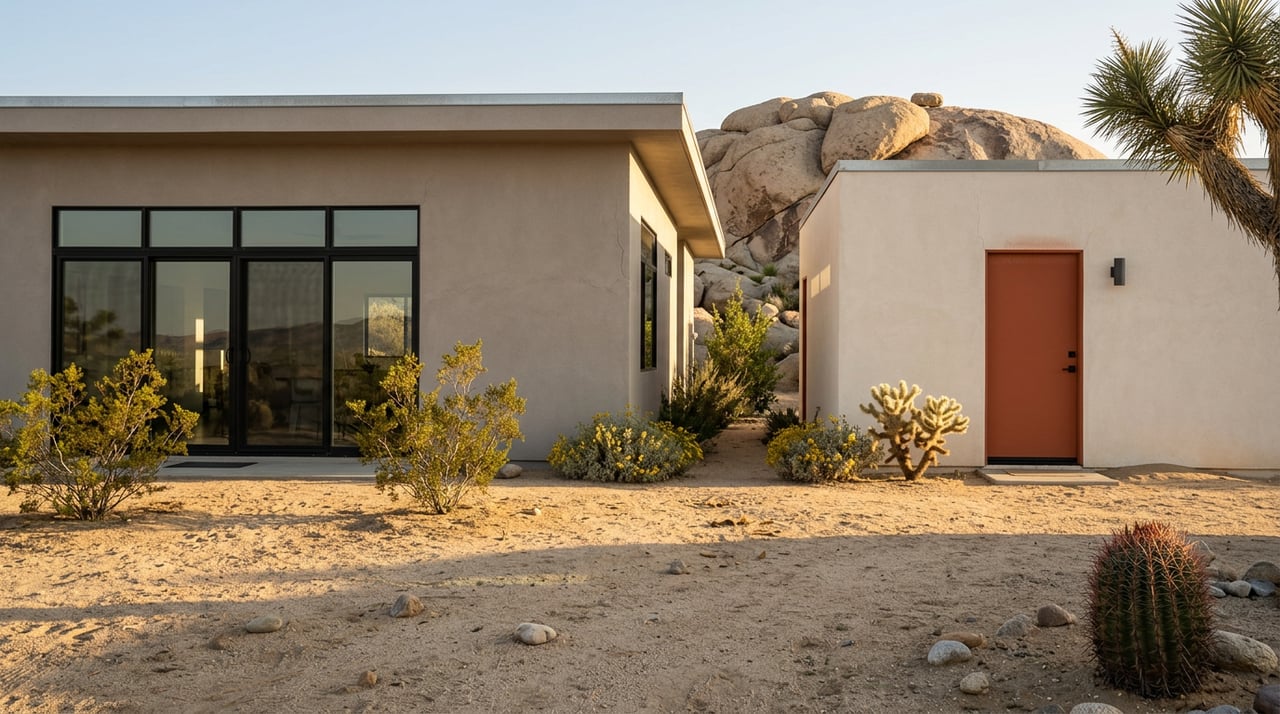
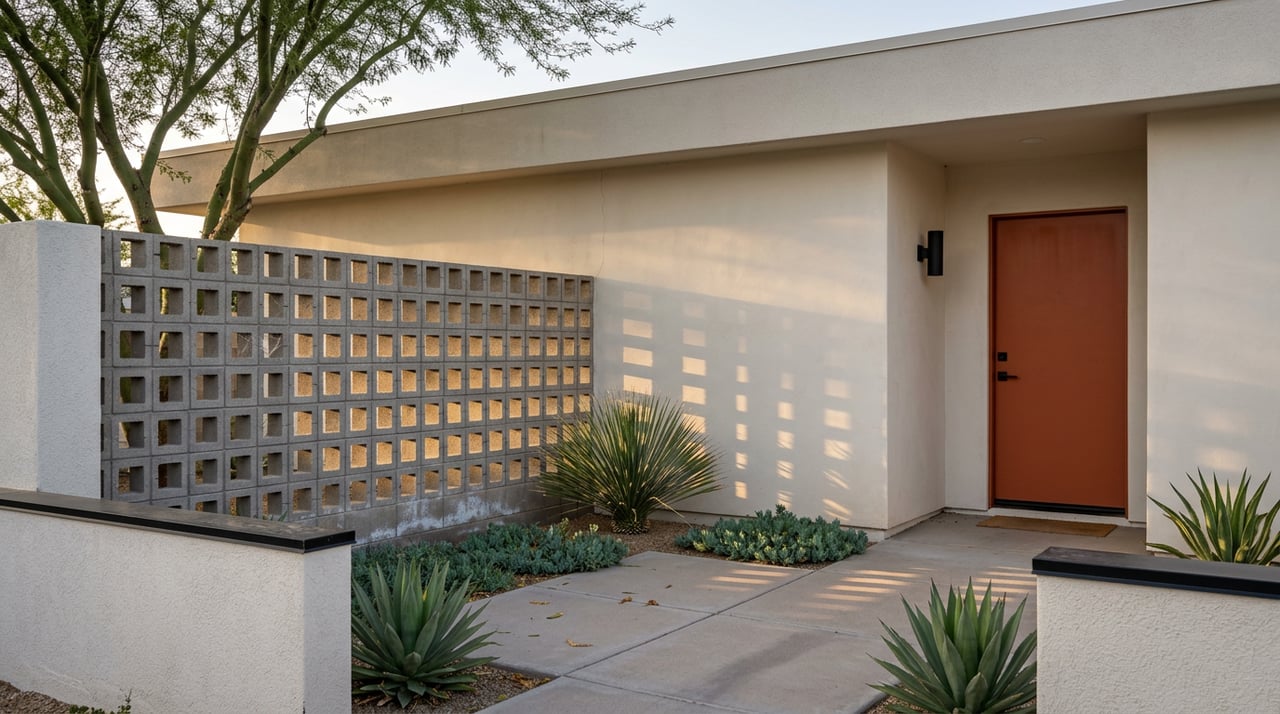
Palm Springs has a significant number of homes on leased land, especially near downtown and in historic areas developed in the mid-20th century. Many iconic midcentury and architect-designed properties were built on leased parcels.
One key lessor is the Agua Caliente Band of Cahuilla Indians, which owns land in and around the city and administers residential and commercial leases on some parcels. For any property, confirm fee vs. lease status by reviewing recorded documents with the Riverside County Recorder and the title report.
Who pays what on leased land
Your exact obligations depend on the written lease, but here is what you typically see.
Monthly and annual costs
- Ground rent paid to the lessor based on the lease schedule. Increases may be fixed, step-based, tied to an index, or negotiated at intervals.
- Property taxes typically paid by you on the improvements and possibly on the leasehold interest. Confirm with the lease and the Riverside County Assessor.
- HOA dues, utilities, insurance, and maintenance paid by you when applicable.
- Special assessments or Mello-Roos, if any, are typically your responsibility.
Improvements and changes
- You usually own and maintain the home and other improvements.
- Major structural changes often require lessor consent per the lease.
- At lease end, improvements may revert to the lessor, be removed, or be compensated based on the lease language.
Taxes and write-offs
- Tax treatment of a leasehold and the deductibility of ground rent can be complex and fact-specific. Consult a CPA for guidance.
Typical lease terms here
Lease terms vary widely in Palm Springs. Always read the recorded lease and any amendments.
Length and renewals
- Leases are often long-term, from several decades up to 99 years.
- Renewal options are common, but the remaining term at resale is critical for financing and value.
Rent structure
- Scheduled increases can be fixed step-ups, tied to CPI, or set as periodic market resets.
- Some leases start with relatively low rent that escalates meaningfully later.
Transfer and approval
- Many leases require lessor consent to sell or assign your interest. Expect administrative steps and possible fees.
- Some tribal leases include specific protocols that can extend processing time.
End-of-term outcomes
- Provisions vary. The lease may state that improvements revert to the lessor, that you receive compensation, or that you may remove improvements. This clause materially affects value.
Financing and title basics
Leaseholds interact differently with lenders and title insurers. The main lender concern is the remaining lease term and the lease language.
How lenders view leaseholds
- Many lenders treat leaseholds as higher risk. Short remaining terms reduce options, and strict clauses can be problematic.
- Conventional and agency-backed loans often require a substantial remaining lease term and acceptable lease provisions. Lender overlays vary.
- FHA and VA can allow leasehold loans if the lease meets program criteria and has sufficient term.
- Portfolio lenders and cash buyers are more common when terms are short or unusual.
Tip: Ask a lender to review the actual lease before you make an offer. Early review prevents surprises during underwriting.
Title, escrow, and insurance
- Title insurance can cover a leasehold interest, but the policy is subject to lease terms and recorded exceptions.
- Lenders may require an estoppel from the lessor to confirm rent, defaults, and status, and may ask for subordination or consent language to protect the mortgage.
- You typically insure the structure per the lease requirements and may need to name the lessor as an additional insured or loss payee.
Keep your loan on track
- Provide the complete lease and all amendments to your lender as early as possible.
- Confirm the lender’s minimum remaining lease term and any clauses they prohibit.
- Ask the title company about any lease-related exceptions unacceptable to the lender.
Resale and value in Palm Springs
Leasehold status affects pricing and the buyer pool, but design and scarcity can offset risk.
Price and buyer pool
- Leaseholds generally attract a smaller buyer pool because some buyers prefer fee simple and some lenders restrict leasehold loans.
- Market discounts compared to fee simple vary. Key drivers are remaining term, rent predictability, renewal clarity, and perceived risk of increases or termination.
Appraisals and MLS
- Appraisers aim to use leasehold comparables and adjust for terms and marketability.
- Sellers should disclose lease terms clearly. Buyers should review the lease before contracting.
Negotiation angles
- Buyers may negotiate price or concessions to offset financing friction or future rent increases.
- Parties can agree on who pays for estoppel or consent fees, or to pursue a lease extension before closing if available.
Design-forward homes
- Architectural significance and scarcity can sustain demand, even on leased land.
- Preservation rules or historic overlays can add costs and should be weighed against lease length and stability.
Due-diligence checklist
Use this checklist to move from interest to clarity:
- Get the full recorded lease plus every amendment, rider, and side agreement.
- Confirm the remaining term and all written renewal or extension options.
- Summarize key clauses in plain language:
- Ground rent amount and escalation formula
- Who pays taxes, assessments, utilities, insurance, and HOA dues
- Transfer and approval process for a sale or assignment
- End-of-term rules for improvements and any compensation rights
- Default remedies and cure periods
- Casualty and condemnation provisions
- Request a lessor estoppel to verify current rent, defaults, and pending changes.
- Have a local mortgage professional review the lease for loanability and get pre-approval tied to that lease.
- Order a title report and discuss lease exceptions with the title officer.
- Consult a local real estate attorney for complex or tribal leases.
- Confirm property tax treatment with the Riverside County Assessor.
- Verify any historic or design review rules and how they interact with the lease.
- If you hope to extend the term or buy the land, ask the lessor about process and pricing. Availability varies and can be costly.
Smart strategies for buyers
- Ask the seller to cover estoppel or consent fees when needed by your lender.
- Where allowed, seek a committed extension or assignable renewal before closing.
- If conventional financing is not available, explore local portfolio lenders or adjust terms to reflect cash or alternative financing.
- Focus on homes with stable rent escalations and clear renewal language to protect resale.
Choosing fee simple or leasehold
If long-term control and the broadest financing options matter most, fee simple is straightforward. If you want an architecturally significant Palm Springs home and the lease terms are favorable, a leasehold can be a smart path at the right price.
Your decision should weigh remaining lease term, rent structure, lender acceptance, and how long you plan to own the property. With the right due diligence and local guidance, you can buy with confidence either way.
Ready to talk through a specific property or lease? Schedule a Consultation with Ryan Cummings to map out your best options in Palm Springs.
FAQs
Will lenders finance a Palm Springs leasehold?
- Sometimes. It depends on the remaining lease term, lease language, and the lender’s program, so engage a lender early to review the actual lease.
Do I still pay property taxes on leased land?
- Generally yes. You typically pay taxes on the improvements and may be assessed on the leasehold interest. Verify with the lease and the Riverside County Assessor.
What happens when a lease ends on a house I own?
- It depends on the lease. Improvements can revert to the lessor, be removed, or be compensated. Understand end-of-term clauses before you buy.
Can I remodel a home on leased land in Palm Springs?
- Often yes, but many leases require lessor consent for structural changes or major alterations. Check the lease before planning work.
Is a house on leased land a risky investment?
- Not necessarily. Value depends on lease term, rent stability, financing options, and the home’s appeal. Many buyers value design and location enough to accept lease terms when they are clear and favorable.