Seasonal Living In Greater Palm Springs: Choosing Your Desert Home
July 9, 2026
July 9, 2026
If you picture desert living as endless sunshine and easy winter mornings, you are not wrong. But choosing the right seasonal home in Greater Palm Springs also means thinking about heat, upkeep, travel, and how you will use the property when you are not there. If you are weighing where and how to buy, this guide will help you match your lifestyle to the right desert setting in and around Coachella. Let’s dive in.
Greater Palm Springs is known for year-round sun, with official tourism sources noting more than 300 days of sunshine each year. The area also has a very real seasonal rhythm, which shapes how many part-time owners use their homes.
Climate data from Palm Springs Regional Airport helps explain why. Average highs are 70.5°F in January, 73.7°F in February, 80.6°F in March, and 86.7°F in April. By June, the average high rises to 103.6°F, with July at 108.6°F, August at 108.1°F, and September at 101.8°F.
The station averages 114.8 days per year at or above 100°F. Visit Greater Palm Springs also notes that temperatures can reach 100°F and beyond from June to October, and that outdoor activity in extreme heat can be dangerous.
For many seasonal owners, that creates a practical window of late fall through spring. A reasonable working pattern is October or November through April or May, based on the valley’s climate and travel seasons.
A desert home should feel good while you are there, but it should also be easy to manage while you are away. That is one of the biggest differences between buying a full-time home and buying a seasonal one.
In the Coachella Valley, low upkeep matters for another reason. Coachella Valley Water District says nearly 70% of residential water use happens outdoors, so landscape efficiency, leak prevention, and smart irrigation are central to responsible home maintenance.
That makes a few features especially useful for seasonal living:
If you plan to leave for months at a time, these details can matter just as much as the view or pool.
Before you compare cities or home styles, think about how often you will actually use the property. If your plan is winter weekends plus a few longer stays, your needs may look very different from someone spending five or six months in the valley.
A shorter-use pattern often pushes buyers toward simpler ownership. Homes with easier exterior care, smaller lots, or HOA support can make seasonal living feel more relaxed.
Some buyers want a home they can lock, leave, and return to with very little effort. Others are comfortable managing more of the property themselves.
If you want effortless winter living, communities with HOA support can reduce landscaping decisions, exterior maintenance, and day-to-day oversight. If you prefer more independence, you may want to look more closely at what maintenance systems are already in place.
If you may rent the home while you are away, that question should come up early in your search. Rules can vary by city and by HOA, so seasonal buyers should verify both before making a decision.
Cathedral City offers a strong example of why this matters. The city requires a permit before renting or advertising a vacation rental of 30 days or less, and notes that many applications are limited to common-interest developments in Resort Residential zones or to home-share situations.
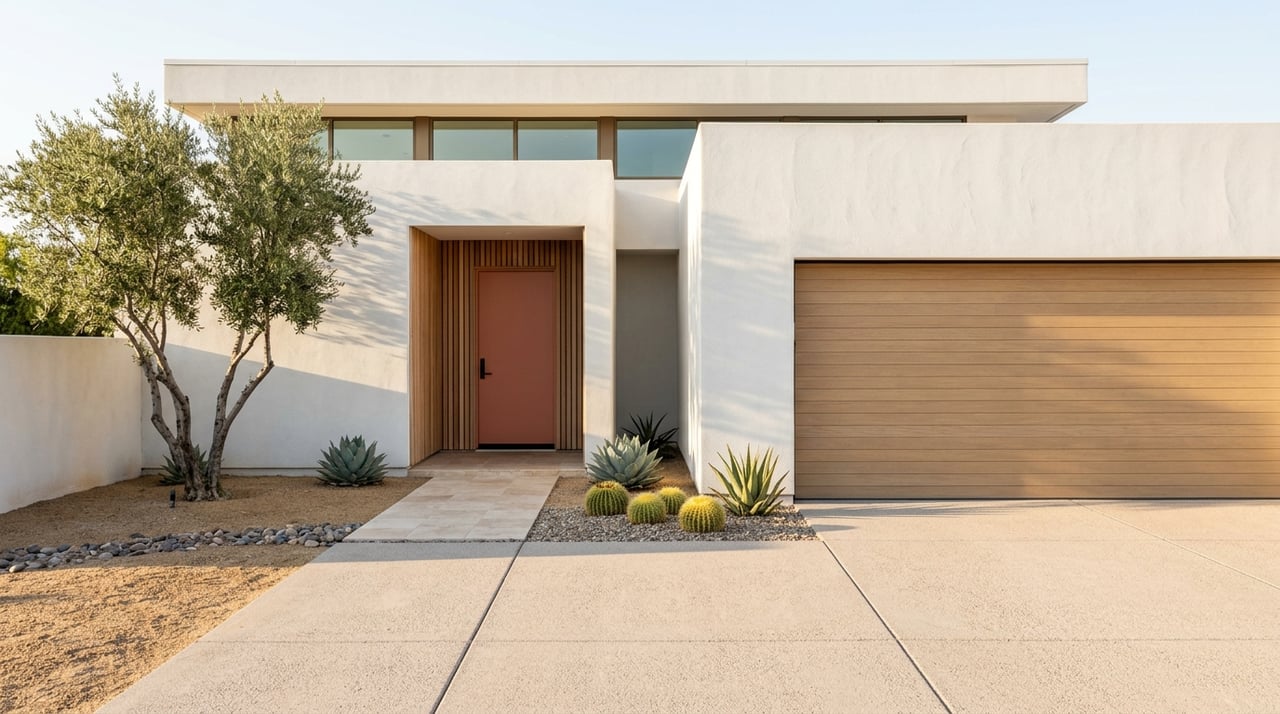
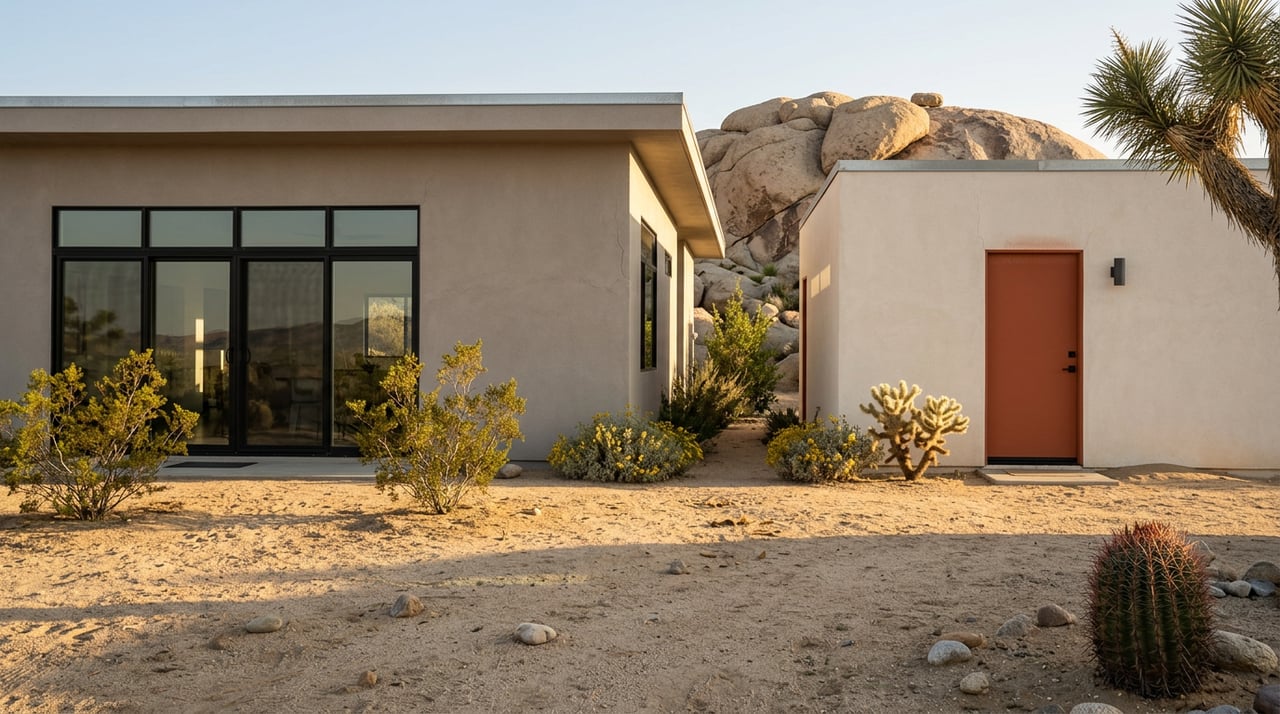
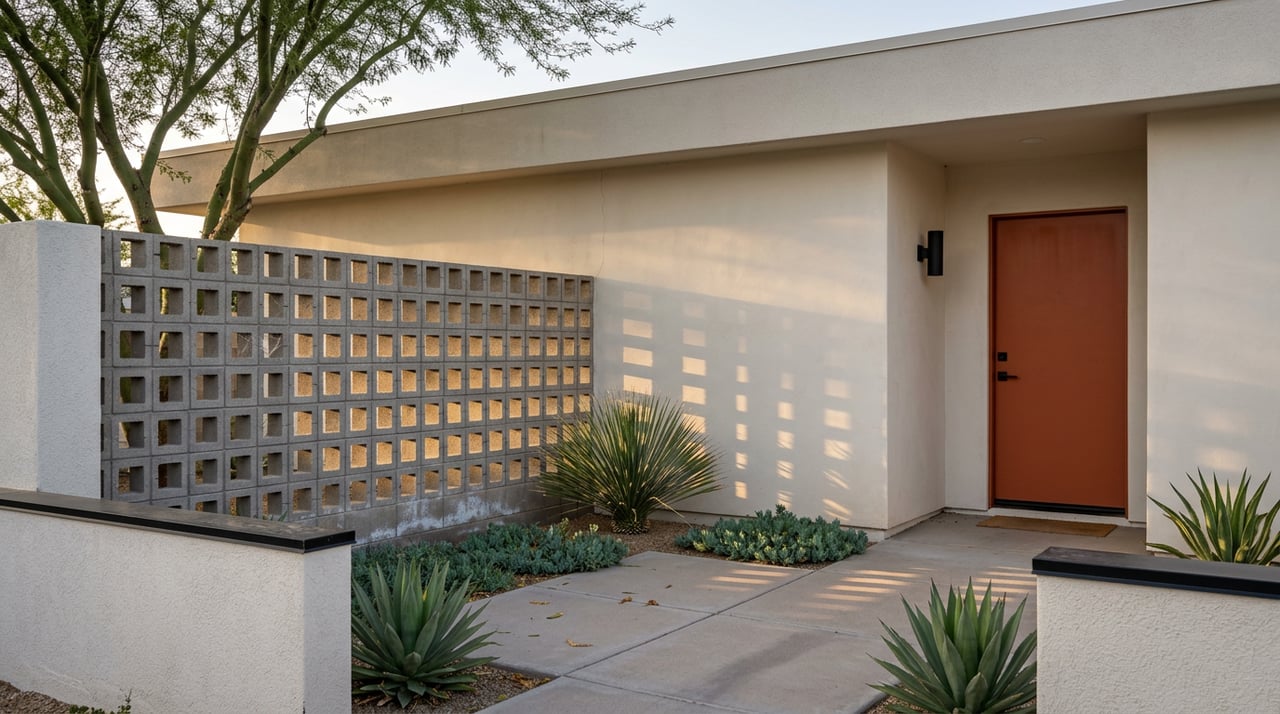
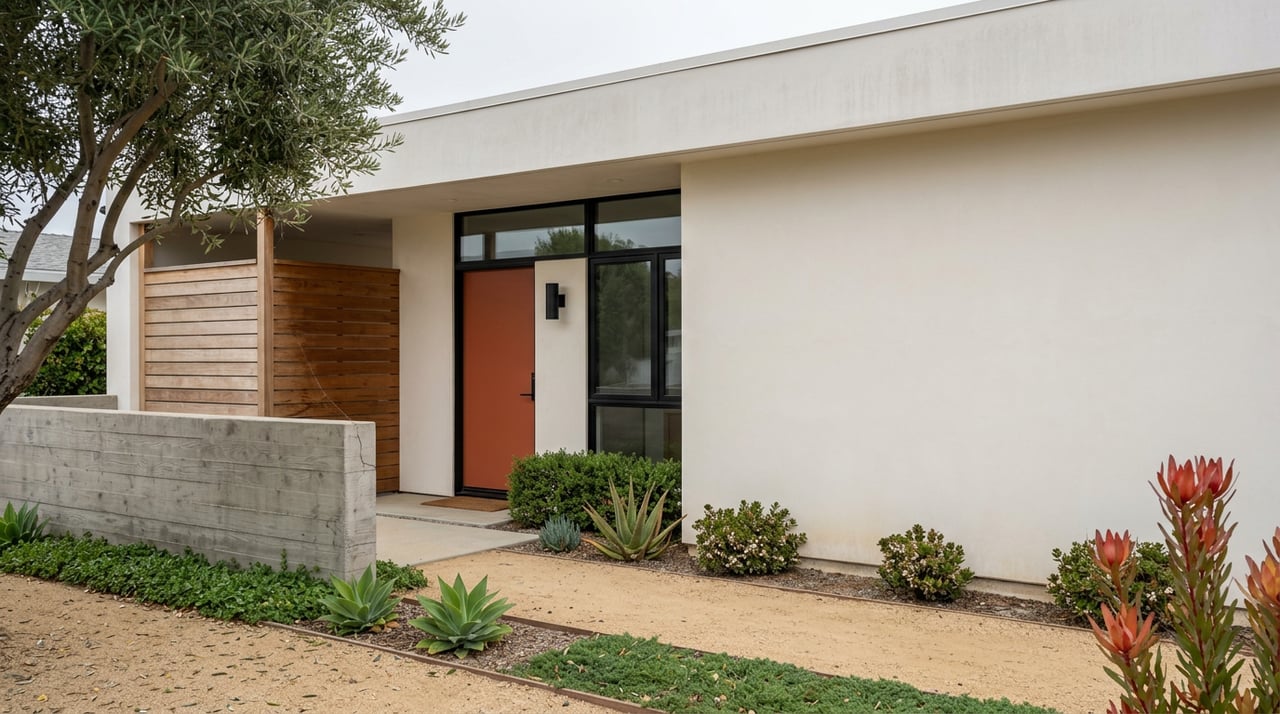
In a desert market, design and maintenance go hand in hand. A beautiful property is even better when it is set up for the valley’s climate.
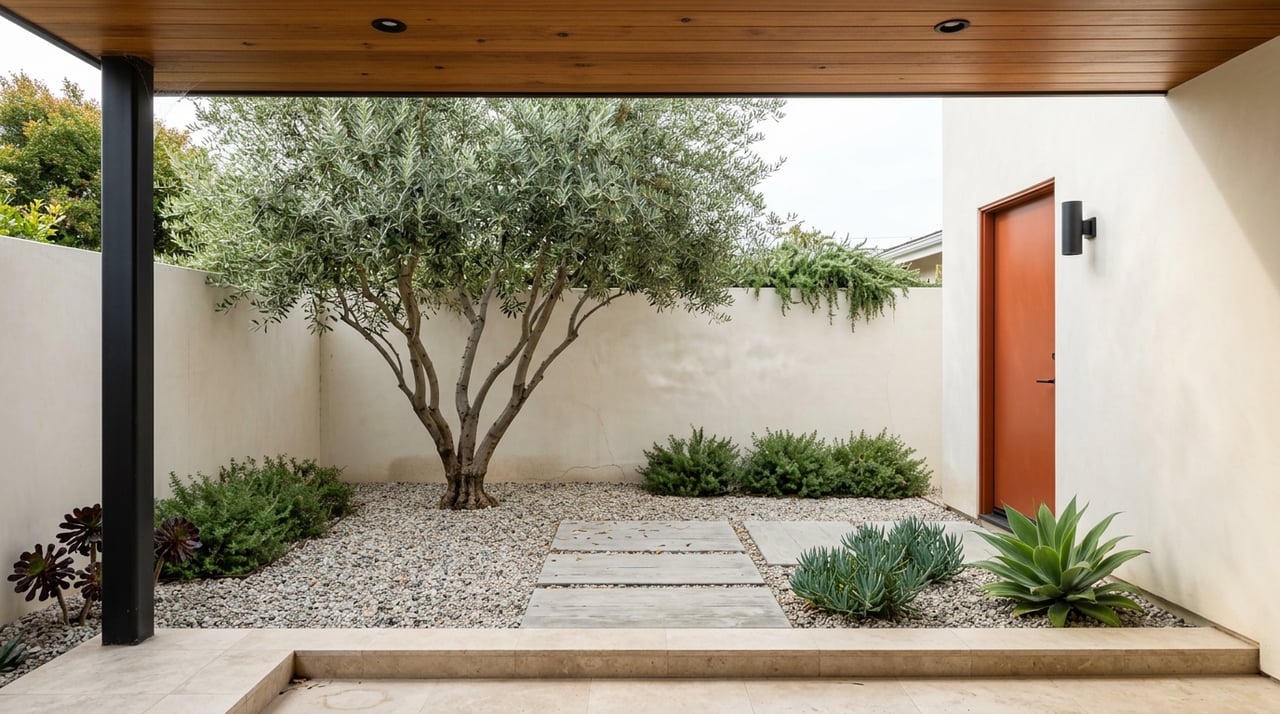
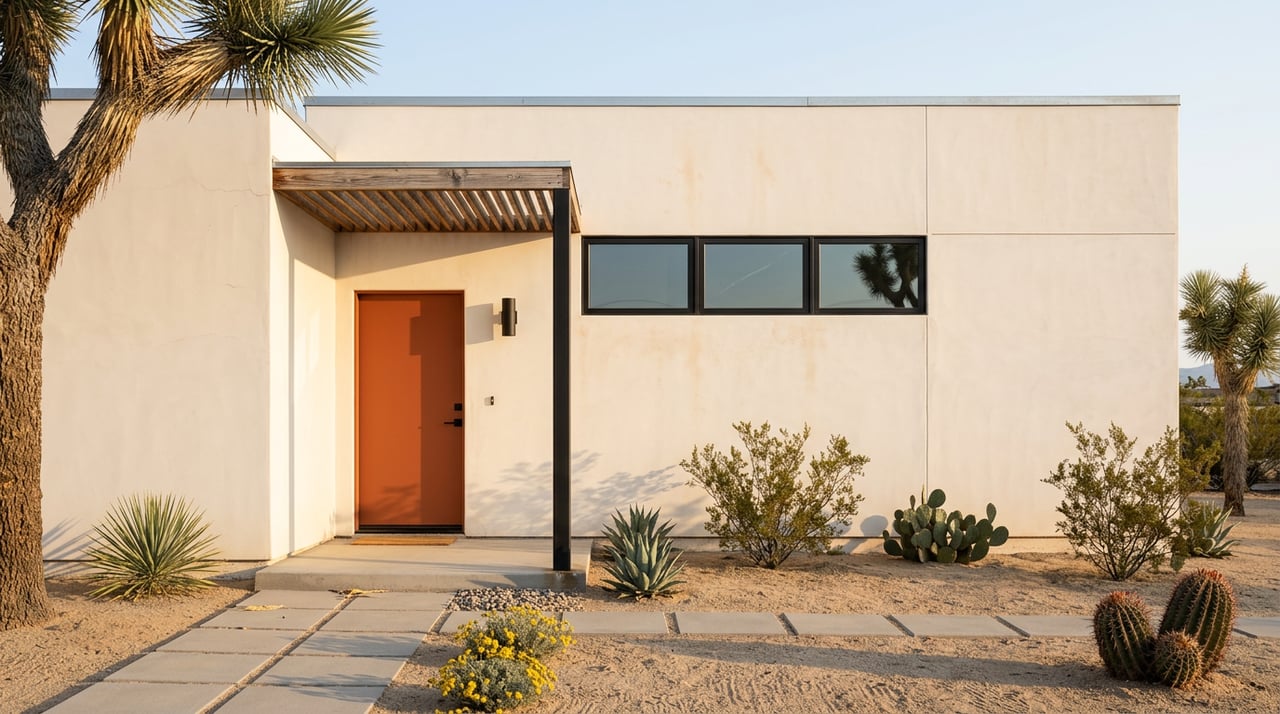
Look closely at landscaping, irrigation, shade, and how much outdoor upkeep the home may need in hotter months. Desert-friendly planting and efficient water use are not just aesthetic choices here. They are practical ownership choices.
Palm Springs is the valley’s best-known design city, with official city and tourism materials highlighting midcentury-modern architecture, cultural amenities, and a broad mix of neighborhoods. It is also a full-service city with its own police and fire departments, library, and parks.
For seasonal owners, Palm Springs often feels especially convenient and design-forward. Palm Springs International Airport is the only airline service airport serving the city and the entire Coachella Valley, which can make travel simpler if you plan to come and go often.
If you want a home base with strong architectural identity, a wide range of amenities, and easy air access, Palm Springs may rise to the top of your list.
Cathedral City is described by Visit Greater Palm Springs as an arts-and-entertainment hub with country clubs, hotels, public art, a design district, and year-round events. It is also positioned as convenient to the rest of the valley.
For seasonal buyers, that can mean good access and a broad mix of ownership settings. But Cathedral City is also a place where rental rules deserve close review if flexibility matters to you.
Because the city requires permits for short-term vacation rentals and limits some applications by property type or location, it is smart to confirm the rules before you buy. If seasonal ownership may include renting the home when you are away, this step is essential.
Rancho Mirage stands out as one of the valley’s clearest resort-residential options. City and tourism sources describe it as a desert resort and residential community with luxury resorts, wellness and healthcare assets, and a strong concentration of country clubs, gated communities, and HOAs.
That structure often makes Rancho Mirage appealing for buyers who want privacy, amenities, and a strong lock-and-leave feel. If your ideal seasonal home includes a more managed setting and a resort-style rhythm, this city may be a natural fit.
For many design-minded second-home buyers, Rancho Mirage offers a balance between comfort, privacy, and ease of ownership.
Coachella offers a different point of view within the valley. The city describes itself as a fast-growing community with deep agricultural roots and a strong cultural identity, while planning documents point to master-planned communities with thousands of homes, parks, mixed-use areas, open space, and utility infrastructure.
For seasonal buyers, Coachella may appeal if you are looking for newer development patterns or a setting that feels less resort-centered than Palm Springs or Rancho Mirage. It is also along the I-10 corridor, and Visit Greater Palm Springs says Palm Springs International Airport is about 30 minutes away.
If you want to explore the east side of the valley with growth-oriented housing patterns and a distinct local identity, Coachella is worth a closer look.
Choosing a seasonal desert home usually gets easier when you narrow the decision to a few practical priorities. Try using this framework as you compare homes and communities.
Ask yourself what will happen when you leave for weeks or months. Will landscaping need frequent attention? Is irrigation efficient and easy to monitor? Are there shared maintenance systems that reduce your workload?
The best seasonal home is not always the one with the most features. It is often the one that fits your real life with the fewest complications.
Think about what kind of winter experience you want. Do you want design and culture, a resort-like setting, a more centrally connected location, or a newer growth area with a different feel?
Each city supports a different version of desert living. The right answer depends on how you want your time here to feel.
Your needs may change over time. A property that works well for personal use now may later need to support longer stays, different travel habits, or rental plans.
That is why city rules, HOA structure, and maintenance demands deserve as much attention as finishes and floor plans. A smart seasonal purchase should support both your current lifestyle and your next chapter.
Seasonal buying in the desert is not just about picking a pretty home. It is about understanding the valley’s climate, city differences, ownership patterns, and practical upkeep needs.
That is where local insight can make your search more focused. When you know how a home will live in January, July, and the months in between, you can buy with more clarity and less guesswork.
If you are considering a seasonal home in Coachella or anywhere across Greater Palm Springs, working with a team that understands design, lifestyle, and the rhythm of desert ownership can help you choose with confidence. To start the conversation, connect with Ryan Cummings.
Stay up to date on the latest real estate trends.
Etiam non quam lacus suspendisse faucibus interdum. Orci ac auctor augue mauris augue neque. Bibendum at varius vel pharetra. Viverra orci sagittis eu volutpat.