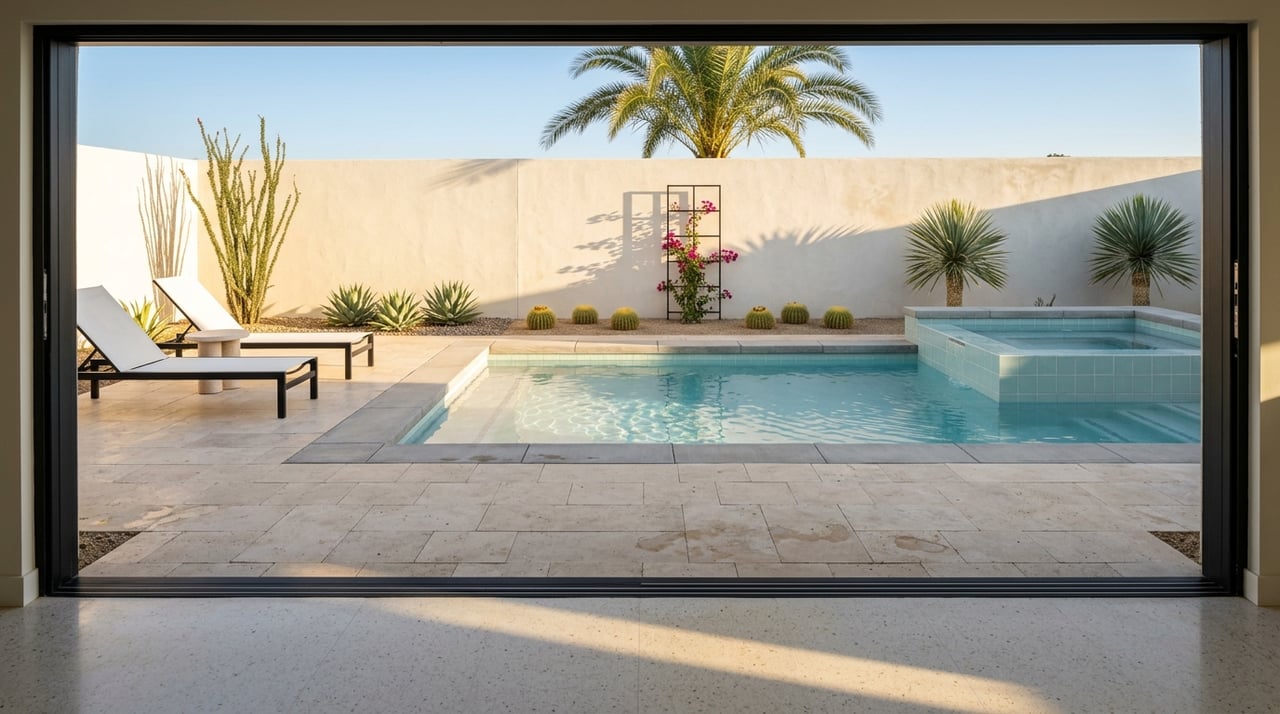
What It’s Like To Own A Pool Home In Palm Springs
June 18, 2026
June 18, 2026
A pool home in Palm Springs is not just about cooling off on a hot day. In a city where the annual mean temperature is 75.6°F and rainfall averages just 4.61 inches a year, the pool often becomes part of your everyday living space. If you are thinking about buying, selling, or simply imagining life in one of these homes, it helps to understand how the climate, design, and upkeep all come together. Let’s dive in.
Palm Springs has a long, warm season that makes pool use feel normal rather than occasional. Summer average highs range from 103.6°F to 108.6°F, while winter daytime averages stay around 69 to 71°F. That means your backyard can stay active for much of the year, even if cooler winter mornings and evenings make a heater or cover worth considering.
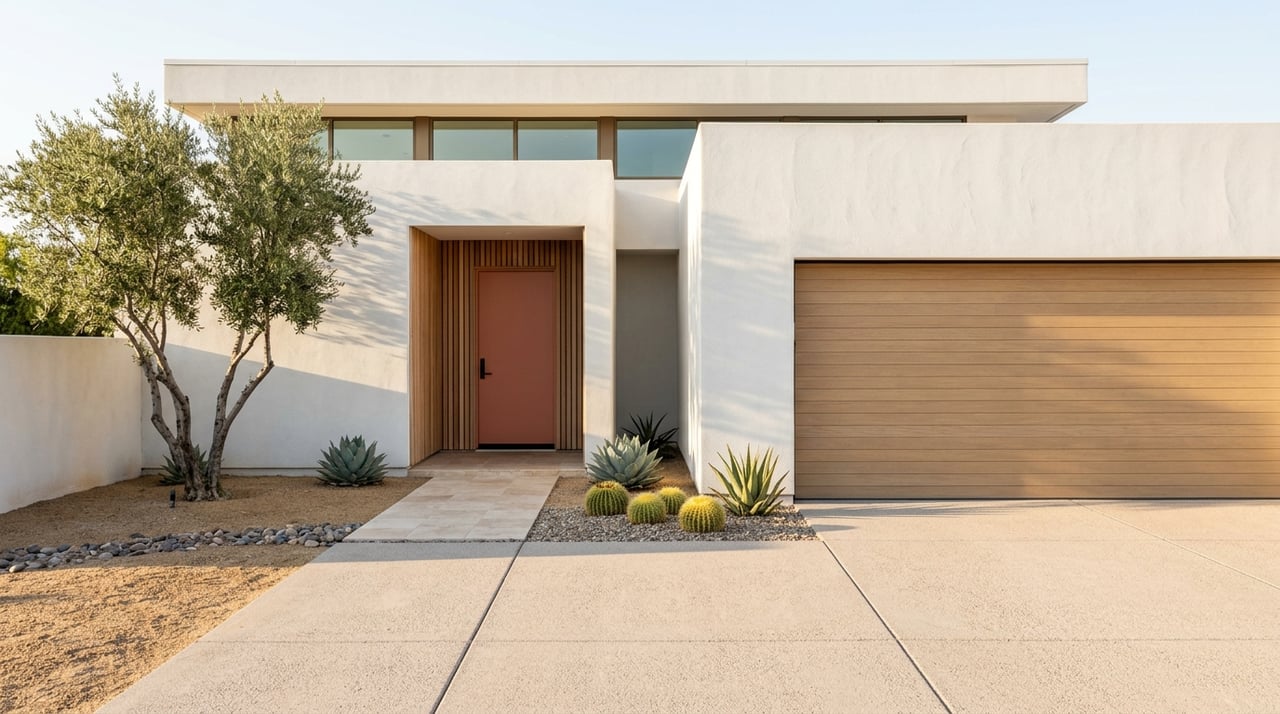
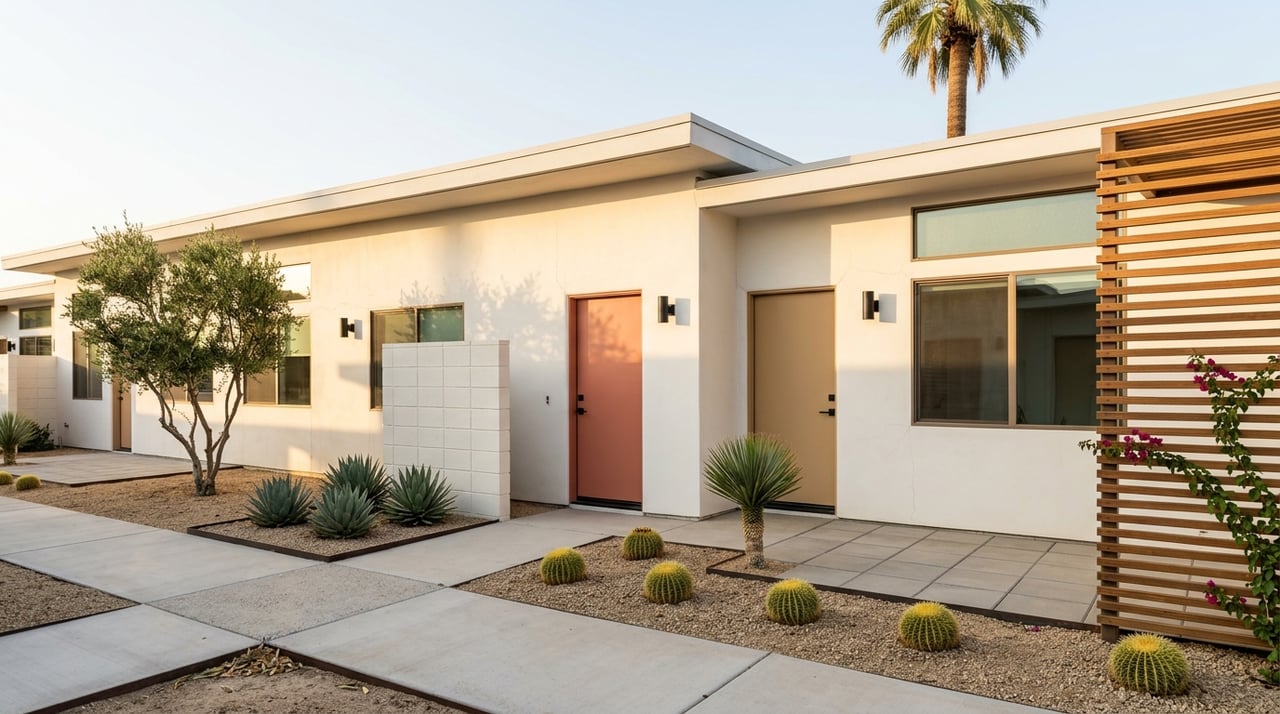
This climate has shaped the way homes are designed here. Palm Springs is known for Desert Modernism, a style built around indoor-outdoor living, with pools, patios, courtyards, and shaded terraces playing a central role. In many homes, the pool is not an extra feature tucked behind the house. It is part of the architecture and the daily rhythm of the property.
One of the biggest differences between owning a pool home in Palm Springs and owning one in many other places is how often you actually use the surrounding outdoor space. The backyard often works like a second living room, with room for lounging, dining, entertaining, and quiet mornings outside. Privacy, shade, and easy flow from the interior all matter just as much as the pool itself.
That pattern also shows up in what buyers respond to. In Redfin’s winter 2025 Palm Springs feature analysis, Large Pool, outdoor shower, and Jacuzzi ranked among the features with the highest sale-to-list ratios. In practical terms, that suggests buyers tend to value the full outdoor experience rather than just the water.
Owning a pool home here can feel easy and relaxed, but it is not hands-off. The core routine is simple: test the water, skim debris, vacuum when needed, and keep an eye on the filter. Because of the heat and dry air, evaporation is also part of regular life with a Palm Springs pool.
The CDC recommends that residential pool owners routinely test chlorine and pH. Its guidance calls for a pH between 7.0 and 7.8, along with at least 1 ppm chlorine in pools, or 2 ppm if cyanuric acid is being used. During active use, testing at least twice a day is recommended.
That may sound technical at first, but many owners quickly settle into a rhythm. Once you understand your system and how your pool reacts to weather and use, maintenance becomes more predictable. The key is consistency rather than complexity.
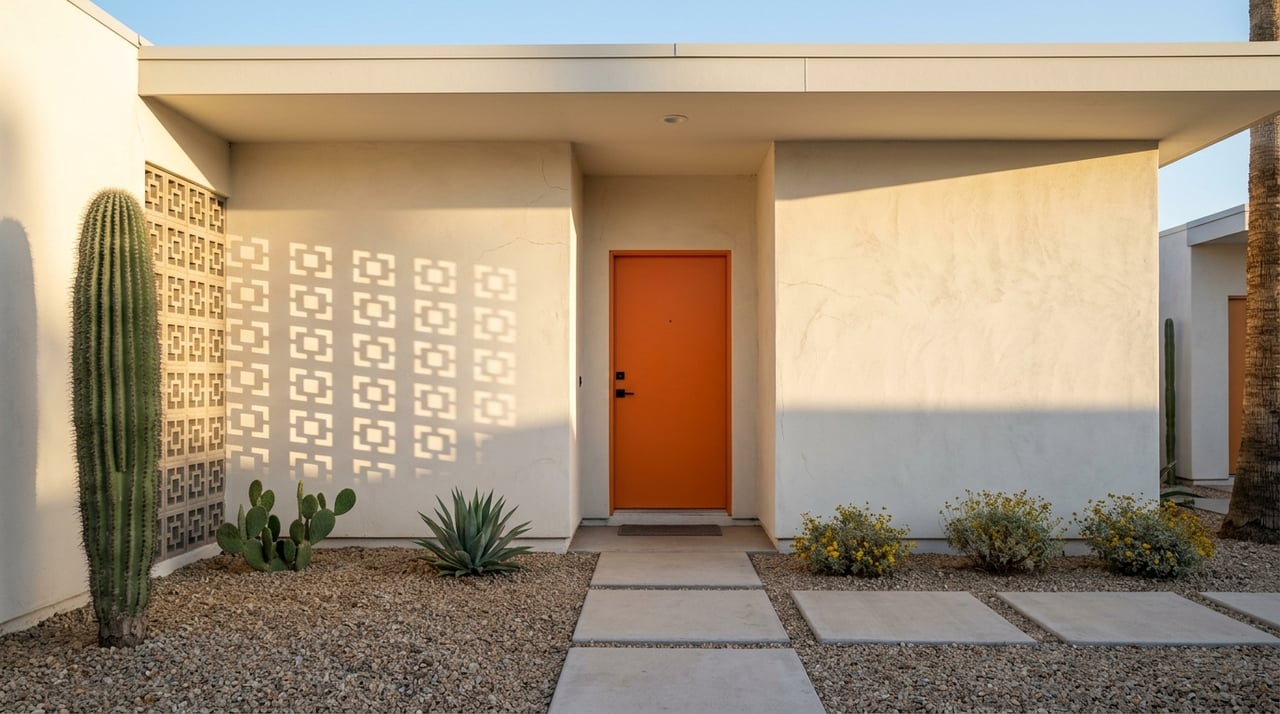
In Palm Springs, pool ownership also comes with a clear local expectation around water awareness. The city’s planning policies support reclaimed water use, water-efficient landscaping, and conservation-minded practices. That makes a well-designed pool area feel most at home when it is paired with drought-tolerant planting and efficient irrigation.
Coachella Valley Water District advises using a pool cover to reduce evaporation. It also discourages draining and refilling private pools unless it is necessary for health, safety, or leak repair. EPA guidance aligns with that approach and also recommends regular skimming, vacuuming, cleaning filters only when needed, and using a cover whenever the pool is not in use.
If your pool is heated, lowering the temperature when possible can also help with water efficiency. In a climate where the sun does a lot of the work, small operating choices can make a noticeable difference over time. For many owners, smart pool care is less about cutting back on enjoyment and more about running the home thoughtfully.
One of the most important practical details to know is that Palm Springs does not treat pool draining casually. The city requires a Pool Drain Permit to drain a pool, spa, fountain, or decorative water feature. Chlorinated water cannot be discharged, drainage is limited to Monday through Thursday evenings and overnight, and some neighborhoods are designated no-drain areas.
For buyers, this is a good reminder that owning a pool home here means understanding local operating rules, not just enjoying the amenity. For sellers, it is another reason condition and proper care matter. A pool that has been maintained correctly is easier to position as an asset during a sale.
In Palm Springs, buyers often respond to pool homes that feel cohesive. A large pool can be a strong feature, but it usually performs best when it is part of a complete outdoor setting with thoughtful hardscape, shade, privacy, and visual connection to the architecture. The strongest impression often comes from a backyard that feels intentional.
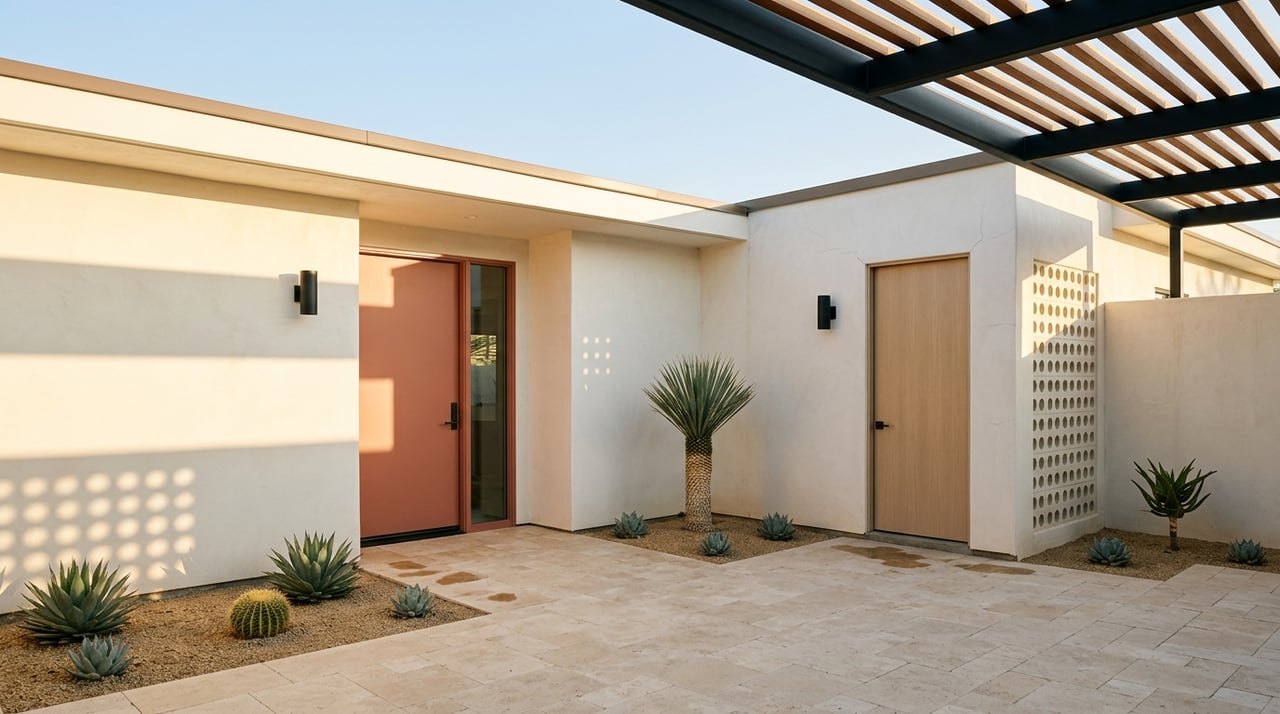
That lines up with the city’s design culture. Desert Modern homes are built around breezeways, courtyards, shaded terraces, and seamless transitions between inside and outside. When a pool supports that flow, the home tends to feel more authentic to Palm Springs living.
This is where design restraint can help. Clean lines, durable materials, desert-friendly planting, and usable lounge space often create more lasting appeal than adding features without a clear plan. In this market, buyers tend to notice when the outdoor environment feels edited and well considered.
If you are planning a new pool or a remodel, California law requires attention to safety features. Under the Swimming Pool Safety Act, at least two approved drowning-prevention features are required when a permit is issued for a new or remodeled pool or spa at a private single-family home. Those features must be inspected by the local building official before final approval.
For homeowners, this is less about red tape and more about responsible planning. Safety features are part of the long-term function of the property. If you are updating a pool, they should be factored into both your budget and your project timeline.
In many cases, yes, but with some nuance. Palm Springs supports a long swim season because daytime temperatures stay warm for much of the year. Still, winter mornings and evenings can be cool, with average nighttime temperatures in the mid-to-upper 40s.
That is why heaters and covers can matter, especially if you want regular winter use. Some owners are happy with seasonal swimming and occasional winter dips on warm afternoons. Others want a setup that extends comfort more consistently across the calendar.
In Palm Springs, a pool can absolutely support desirability, especially when it fits the home’s style and outdoor layout. Redfin’s winter 2025 feature analysis placed Large Pool among the city’s top value-linked features, with outdoor showers and jacuzzis also showing strong appeal. That points to a market that values outdoor living as a package.
Still, resale is not just about checking a box that says “pool.” Condition, shade, privacy, and maintenance all influence how buyers perceive value. A pool that feels easy to enjoy and visually connected to the property will usually make a stronger impression than one that feels separate or overdue for work.
For sellers of architecturally significant homes, this is especially important. In a design-aware market like Palm Springs, presentation matters. The best pool homes tend to show buyers not just a feature, but a lifestyle that feels complete.
If you are considering buying or selling a pool home in Palm Springs, local context makes all the difference. From climate and architecture to maintenance expectations and buyer appeal, these homes reward thoughtful ownership and thoughtful representation. If you want guidance tailored to your property or your search, Ryan Cummings can help you navigate the Palm Springs market with a design-savvy, local perspective.
Stay up to date on the latest real estate trends.
Etiam non quam lacus suspendisse faucibus interdum. Orci ac auctor augue mauris augue neque. Bibendum at varius vel pharetra. Viverra orci sagittis eu volutpat.