Big Bear Lake Cabin Buying Guide for Second-Home Buyers
April 2, 2026
April 2, 2026
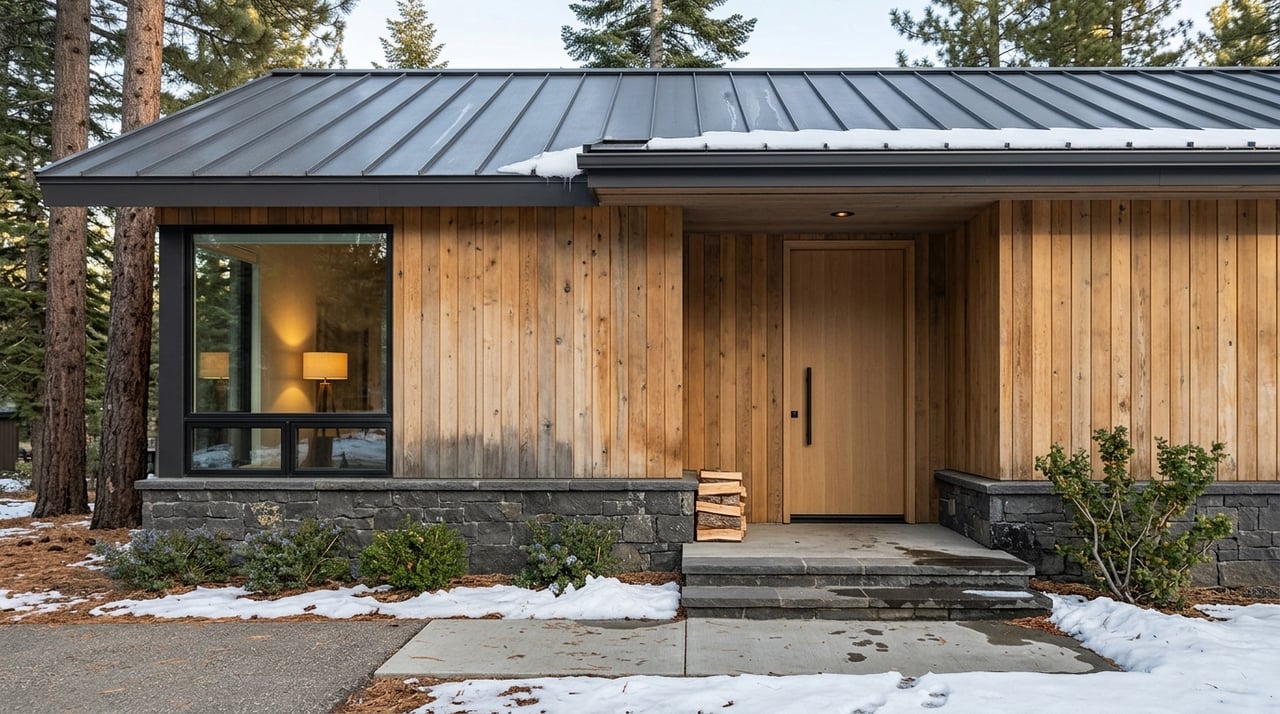
Buying a second-home cabin in Big Bear Lake can feel simple at first glance: find a charming mountain place, close, and start enjoying weekends away. But once you look closer, the real questions show up fast. How close do you want to be to the lake or slopes, what kind of weather exposure can you realistically manage, and will the property work for personal use, vacation rental use, or both? This guide will help you sort through those decisions with more clarity so you can buy with confidence. Let’s dive in.
Big Bear Lake has long been a draw for Southern California buyers who want a mountain escape within reach of the city. According to Big Bear tourism information, the area sits about 100 miles northeast of Los Angeles in the San Bernardino National Forest, which helps explain its lasting appeal as a weekend and seasonal destination.
It is also a market shaped by true resort patterns, not just occasional vacation use. The City of Big Bear Lake Housing Element describes the city as a resort community with a predominantly second-home character, noting that a large share of housing units are held for seasonal or occasional use. For you as a buyer, that means you are stepping into a market where lifestyle ownership is a major part of the local housing story.
Big Bear Lake itself also shapes how people shop. The lake is about 7 miles long, roughly half a mile wide, and has more than 22 miles of shoreline, according to Big Bear area facts. In practical terms, buyers often weigh access to the lake, the village, and ski areas differently depending on how they plan to use the home.
Before you compare cabins, it helps to decide what success looks like for you. Some second-home buyers want a personal retreat first and care most about privacy, access, and low-stress upkeep. Others want a property that may also serve as a vacation rental when they are not using it.
That distinction matters in Big Bear Lake. The city’s planning documents note that some owners prefer a single second home that can also be used as a vacation rental, rather than holding multiple units. That suggests many buyers here are still making lifestyle decisions first, with income potential as a secondary factor.
A few helpful questions to ask yourself early:
When you answer those questions honestly, your search usually becomes much more focused.
Big Bear Lake’s housing stock tends to be older and heavily weighted toward detached homes. The city’s housing element states that about 83% of the city’s housing stock is single-family detached, and about 80% of units were built before 1990. That means many buyers will be looking at cabins and homes with character, but also with age-related considerations.
Older construction can affect your inspection strategy. The same city document notes that homes built before 1978 may have lead-based paint, and homes built before 1970 are the most likely to need rehabilitation. For second-home ownership, that makes it especially important to look beyond charm and focus on condition, systems, and ongoing maintenance needs.
Depending on the location and ownership structure, you may also encounter condos, attached units, and smaller second homes. The city’s land-use framework includes rural, single-family, and multiple-family categories, so your options may vary more than you expect from one part of Big Bear Lake to another.
Location tradeoffs in Big Bear Lake are rarely just about address. They are usually about how you want to spend your time once you arrive. If your ideal weekends involve skiing and snowboarding, proximity to the resorts may matter more than lake views. If you picture summer boating and village outings, your priorities may shift.
For ski access, Big Bear Mountain Resort says Snow Summit and Bear Mountain are both in Big Bear Lake and are about 2 miles apart, while Snow Valley in Running Springs is about 20 minutes away. The resort also notes that the three mountains are not connected by lifts or terrain, so “close to skiing” can mean different things depending on which mountain you plan to use most.
This is where a practical mindset helps. A cabin that looks perfect online may be less convenient if every visit involves extra driving, steeper access, or more weather exposure than you expected. In many cases, the best second home is the one that fits your actual habits, not your aspirational ones.
If you want rental flexibility, this should be one of the first things you verify, not one of the last. Big Bear Lake does allow vacation rentals, but the rules are detailed and operationally important.
Under the city’s vacation rental ordinance, a vacation rental is a dwelling leased for 28 or fewer consecutive days, or a home-sharing property. A valid annual city license is required before the property can be advertised or leased, and guest check-ins must be in person.
The rules also affect how a home functions day to day. Occupancy is capped based on bedroom count, square footage, and parking. Parking must be on site in designated driveways or garages, not in the yard or street, and the city limits outdoor activity and outdoor spa use between 10 p.m. and 7 a.m.
The city may also require an on-site response within 30 minutes, and unlicensed operations can be fined. On top of that, city housing materials note that short-term rentals are subject to minimum property improvements and annual inspections, and eligibility can depend on zoning and ownership structure.
City approval is only part of the picture. If a property is in an HOA or governed by condo rules or CC&Rs, those private rules may further limit how you can use it.
This is especially important for second-home buyers who are counting on future flexibility. Even if a property seems ideal for part-time rental use, private restrictions may be narrower than city rules. That is why reviewing HOA documents, use restrictions, and any ownership limitations should be part of your early due diligence, not a post-acceptance surprise.
If rental income is part of your plan, it is smart to confirm all layers of approval before you underwrite the opportunity.
Rental potential can be helpful, but it should be modeled carefully. Big Bear Lake imposes local lodging-related costs that affect your net income.
According to the city’s TOT and TBID information, the transient occupancy tax increased to 10% beginning January 1, 2025, and the BBLTBID is 3% for short-term overnight accommodations. Vacation Rental Program properties must also file monthly reports, even in zero-income months.
For you, the takeaway is simple: avoid relying on gross revenue assumptions. A realistic projection should account for local lodging costs, compliance requirements, and the operating realities of a mountain property.
Second-home ownership in Big Bear Lake comes with weather exposure that deserves real attention. The NOAA climate normals for the Big Bear Lake station show average snowfall of 13.4 inches in January and 14.3 inches in February, and annual snowfall of 58.6 inches is cited in local area information. Snow and freeze-thaw cycles are a normal part of ownership here.
The city’s housing element specifically notes that harsh weather can freeze plumbing lines. It also states that staff estimate about 15% of units need some type of repair and about 10% need major repairs. For a second-home buyer, that means deferred maintenance is not a minor issue. It can become a serious ownership cost if you are not watching closely.
In practical terms, pay attention to:
A beautiful cabin is only a great second home if you can care for it without constant stress.
Snow management affects more than convenience. It can shape whether a property is easy to use, easy to maintain, and potentially easier to operate as a vacation rental.
The city’s vacation rental parking standards require parking areas that can accommodate snow plowing and snow storage. While that standard is tied to rental use, it offers a useful lens for all buyers. Driveway grade, turnaround space, drainage, and where snow can be piled safely matter, especially on older or steeper lots.
When you tour homes, try to picture a winter arrival, not just a clear summer afternoon. Can you park comfortably on site? Is there room to maneuver? Does the access feel realistic for the way you plan to use the property?
Insurance should be an early step in your buying process, not an afterthought near closing. Big Bear Lake’s mountain setting means fire risk and insurability can vary from one property to another.
CAL FIRE’s fire hazard severity zone information explains that hazard zones are based on vegetation, slope, climate, and fire weather, and it recommends defensible space and home hardening. In some cases, coverage options may be more limited than buyers expect.
The California FAIR Plan provides basic fire insurance coverage when traditional insurers will not and serves as an insurer of last resort. The practical lesson is to quote insurance early in escrow, especially if the home has older features, notable vegetation exposure, or a more complex site.
It is easy to fall for square footage, a dramatic setting, or a photo-ready interior. But in Big Bear Lake, the best second home is often the one that balances lifestyle, maintenance, and flexibility.
The city’s planning documents repeatedly point back to the realities of remote location, second-home ownership patterns, and environmental conditions. For many buyers, that means the strongest property is not necessarily the largest one. It is the one with manageable upkeep, clear access, and use rules that support your long-term plans.
That kind of fit tends to create a better ownership experience from day one. And if your needs change later, it can also support a smoother resale path.
A smart Big Bear Lake cabin purchase is about more than finding a cozy mountain look. It is about understanding how the property will live, how the city regulates certain uses, and how snow, access, insurance, and age of construction affect your day-to-day ownership.
If you are exploring a second home in Big Bear Lake, working with a team that understands lifestyle buying, design value, and practical due diligence can make the process much more straightforward. If you want tailored guidance on finding a mountain property that fits the way you actually live and use space, connect with Ryan Cummings for a personalized consultation.
Stay up to date on the latest real estate trends.
Etiam non quam lacus suspendisse faucibus interdum. Orci ac auctor augue mauris augue neque. Bibendum at varius vel pharetra. Viverra orci sagittis eu volutpat.