Greater Palm Springs Home Buying Guide for Out‑of‑Town Buyers
March 24, 2026
March 24, 2026
Trying to choose between Palm Springs, Cathedral City, Rancho Mirage, and Coachella from across the state or country can feel overwhelming. Each city looks similar on a map, yet the lifestyle, pricing, and ownership rules can be very different once you dig in. In this guide, you’ll compare price context, property types, amenities, and short‑term rental rules across the Greater Palm Springs area, with a practical checklist to help you buy confidently. Let’s dive in.
Recent snapshots in early 2026 offer helpful context for typical price ranges across the valley. For a city‑by‑city decision, use local MLS comps, but for broad trends see the Jan 2026 GPSR Desert Housing Report for valley context (GPSR Jan 2026 report).
Always confirm current numbers using recent MLS sales for your exact property type and neighborhood. Attached and detached homes can move differently in price indices.
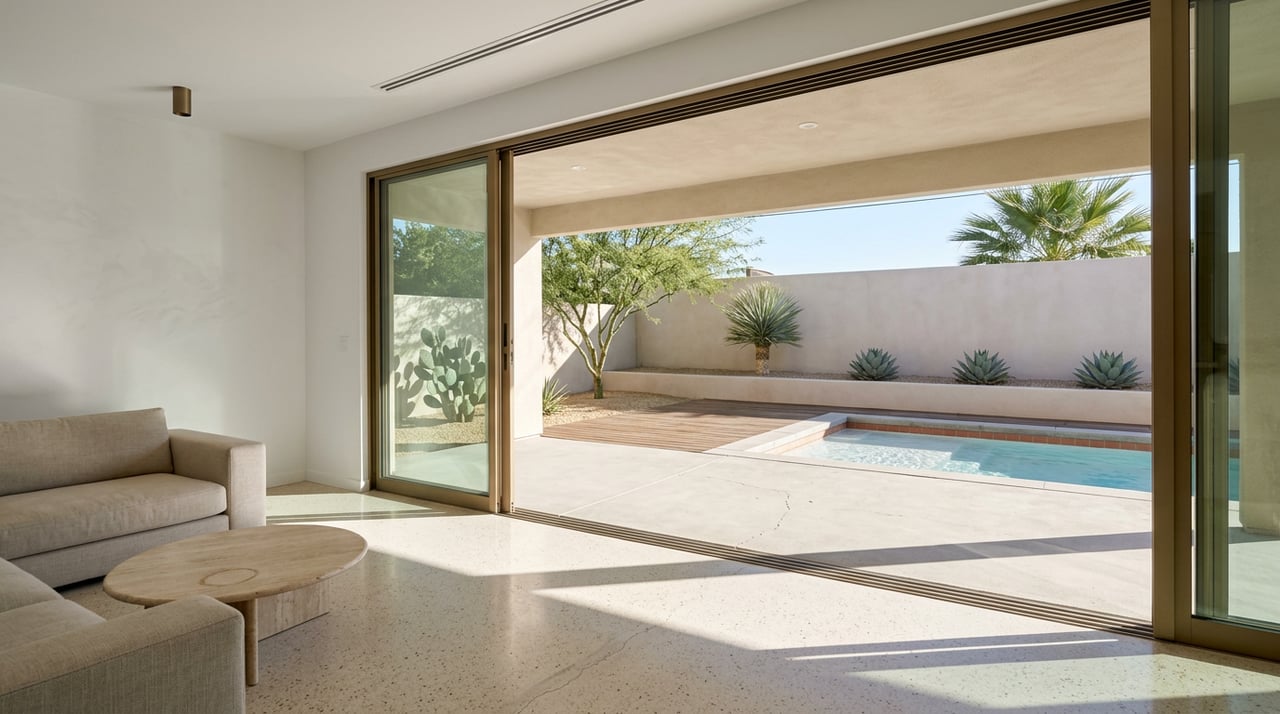
You’ll find architect‑forward mid‑century homes, pool‑ready single‑family properties, and a wide range of condos. The city’s downtown, galleries, and dining shape a lively resort vibe that many second‑home buyers love. Seasonal patterns are common, with more visitors in cooler months and quieter summers. If you value design, walkability, and a strong tourism scene, this city often tops the list.
You tend to see tract single‑family neighborhoods and value‑oriented condos and townhomes. It sits directly between Palm Springs and Rancho Mirage, so you stay close to golf, spas, and dining without paying core‑city prices. If you want more home for the budget and quick access to neighboring amenities, Cathedral City can be a smart fit. Verify any rental goals, since local short‑term rules are stricter than nearby cities.
Expect private, low‑density living in gated country‑club settings, plus estates on larger lots and golf‑course frontage. The area draws buyers who want space, quiet, and full‑service club amenities. If your priority is privacy and a turnkey club lifestyle, you’ll likely look here first. Short‑term rentals are tightly restricted, so plan on end‑user or long‑term use rather than STR income.
You’ll see a mix of older and newer single‑family homes, manufactured housing communities, and some larger parcels. The city’s culture and annual events add energy and short bursts of visitor demand during festival season. Many buyers target Coachella for affordability relative to west‑valley resort cores, larger lots, or a long‑term hold. If you plan any short‑term lodging, learn the permit and tax rules up front.
Palm Desert, La Quinta, and Indio are also common alternatives, each with distinct neighborhoods and amenities. If your search spans the full valley, compare community rules, HOA structures, and drive times carefully before you narrow your list.
Many condos, townhomes, and planned communities in the valley are governed as common‑interest developments under California’s Davis‑Stirling Act. Before you commit, review the CC&Rs, bylaws, budget, reserve study, and recent meeting minutes. Ask the seller for the full HOA packet early and pay attention to any rental, pet, parking, or architectural rules that may affect your plans. For the legal framework, see the Davis‑Stirling overview of California Civil Code §4000 et seq. (Davis‑Stirling overview).
If potential STR income factors into your purchase, city rules are not interchangeable. Confirm the current ordinance and permit status before you write an offer.
Note the date on any ordinance you review and confirm whether an existing STR permit transfers with the sale.
California’s Prop 13 caps the base property tax rate at 1 percent of assessed value, plus voter‑approved bonds and assessments. In Riverside County, some newer developments also include Community Facilities District (Mello‑Roos) special taxes that appear as separate line items on the tax bill. These can meaningfully change your annual costs, so request the latest tax bill and check for special assessment lines early (Riverside County special assessments).
The Coachella Valley’s water agencies manage groundwater, conservation programs, and drought response. Confirm the property’s water and sewer provider, whether any reclaimed/non‑potable irrigation applies, and ask for recent utility bills. This is especially important for golf‑adjacent properties and homes with substantial turf or pools. Start with the Coachella Valley Water District for service areas and programs (Coachella Valley Water District).
This is a hot desert climate with very hot summers, mild winters, and annual precipitation typically under about 5 inches. Summer daytime highs commonly top 100°F, and microclimates can shift nighttime temperatures and wind patterns. Plan for irrigation, A/C performance, and routine pool and landscape maintenance in your monthly budget. For regional climate normals, review the National Weather Service data for the area (NWS climate normals).
Wildfire hazard designations have been updated in recent years and can influence insurance availability and cost, especially in foothill or canyon areas. Valley‑floor neighborhoods are generally lower wildfire hazard, but you should still pull a Natural Hazard Disclosure report and a current insurance quote early in your process. To verify a property’s Fire Hazard Severity Zone, use the OSFM/Cal FIRE map viewer (Cal FIRE hazard map).
Use this quick checklist to compare cities and specific homes before you schedule tours.
Confirm the exact city and APN. Ask for the latest property tax bill and note any special assessment or CFD lines. Compare the assessed value to recent sales to estimate future taxes if reassessed upon sale. See Riverside County’s special assessments resource to decode line items.
Verify water, sewer, and irrigation. Identify the local water provider and ask for recent bills. If the home sits on or near a golf course, confirm whether any non‑potable irrigation systems affect your budget or landscaping choices. The Coachella Valley Water District site is a helpful starting point.
Review HOA documents, if applicable. Request CC&Rs, bylaws, budget, reserve study, recent minutes, and any notices of special assessments. Pay special attention to rental, pet, parking, and architectural rules, plus reserve funding levels. Davis‑Stirling governs these communities, so expect required disclosures.
Confirm STR eligibility and permit status. Check whether short‑term rentals are allowed for the property’s zoning and whether existing permits transfer. Validate occupancy and booking limits. Use the city links above for Palm Springs, Cathedral City, Rancho Mirage, and Coachella.
Order hazard disclosures and price insurance early. Obtain a Natural Hazard Disclosure report, confirm the wildfire and flood zones, and get an insurance quote before you remove contingencies. Use the Cal FIRE map for current FHSZ status.
Pull neighborhood‑level comps through a local MLS‑linked agent. Price behavior can differ for condos vs. detached homes, even blocks apart. Use market trackers for context and rely on recent MLS sales to set strategy.
Test your travel logistics. If you plan to split time, verify flight options into Palm Springs International (PSP) and drive times to your primary city, plus access to medical, groceries, and property management vendors.
If you want a design‑led resort feel with walkable dining and a strong STR framework, start with Palm Springs and price in HOA or permit requirements. If value and central access matter more, Cathedral City often stretches your budget while keeping you close to west‑valley amenities. If privacy, clubs, and estate living define your wish list, Rancho Mirage offers that low‑density calm, with the tradeoff of strict STR limits. If you prioritize affordability, larger lots, or a hold that aligns with event‑driven demand, Coachella can be a compelling option, provided you follow its permit and tax rules.
When you are ready to compare specific neighborhoods or run comps, connect with a local advisor who works across the entire valley. You’ll get apples‑to‑apples guidance on pricing, HOAs, STR feasibility, and the due diligence that prevents surprises.
Ready to explore homes with a design‑savvy team that knows the nuances of each city? Schedule a Consultation with Ryan Cummings to map a clear, confident plan for your Greater Palm Springs purchase.
Stay up to date on the latest real estate trends.
Etiam non quam lacus suspendisse faucibus interdum. Orci ac auctor augue mauris augue neque. Bibendum at varius vel pharetra. Viverra orci sagittis eu volutpat.