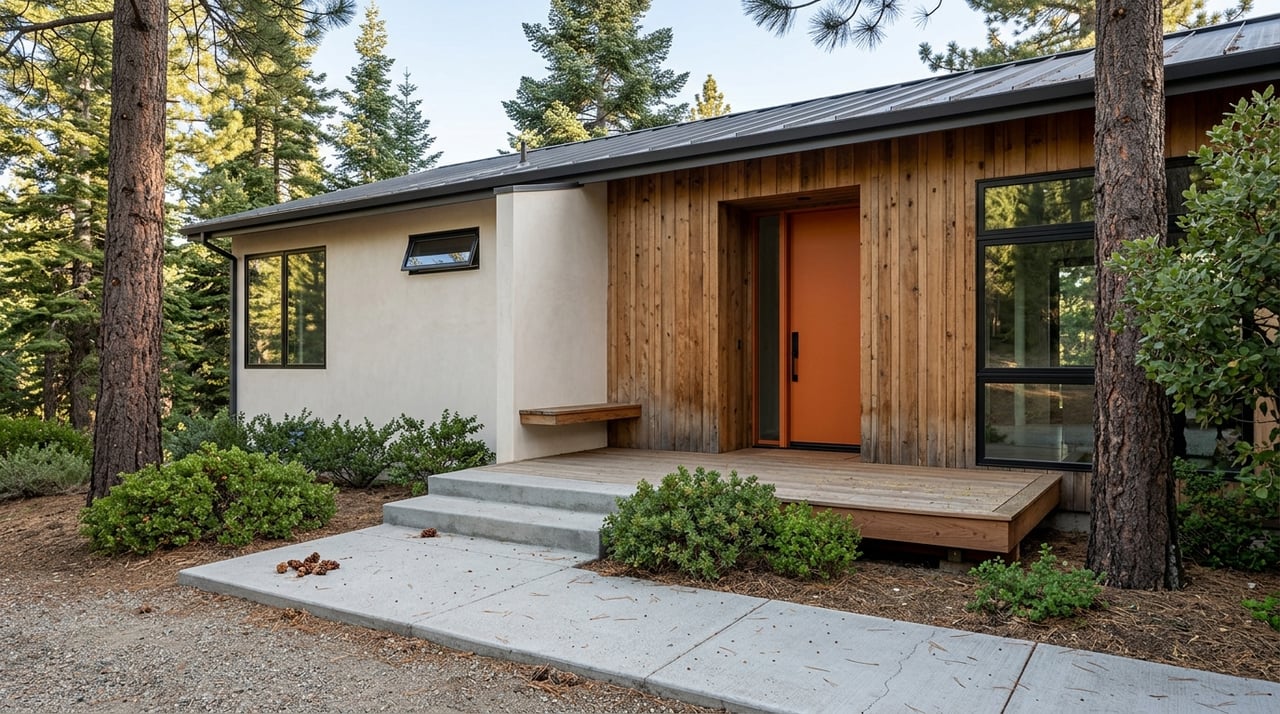
Big Bear vs. Big Bear Lake Real Estate: How They Compare
Real Estate Ryan Cummings May 7, 2026
Real Estate Ryan Cummings May 7, 2026
If you’ve been searching for a mountain home and keep seeing both Big Bear and Big Bear Lake, you’re not alone in wondering whether they are actually the same place. In everyday conversation, people often use “Big Bear” as a catch-all for the whole valley, but when you’re buying, the difference matters. The city line can shape the setting, the housing stock, and what your money buys. Let’s dive in.
The first thing to know is simple: Big Bear Lake is an incorporated city, while Big Bear City is an unincorporated community in San Bernardino County. That means they are governed differently, and city services and ordinances in Big Bear Lake do not extend into Big Bear City.
Locally, the broader valley is often called Big Bear, which is why the names can feel interchangeable at first. But for buyers, that shorthand can blur real differences in location, inventory, and day-to-day experience. If you are comparing homes, it helps to think of Big Bear Lake as the resort core and Big Bear City as the more rural side of the valley.
Big Bear Lake sits in the San Bernardino National Forest, about 100 miles northeast of Los Angeles. The valley is known as a four-season mountain destination centered around a manmade freshwater lake that is about 7 miles long, a half-mile wide, and bordered by roughly 22 miles of shoreline.
Elevation also shapes the feel of the area. The tourism office describes the valley as ranging from about 6,750 to 9,000 feet, which helps explain the alpine setting, winter recreation, and cabin-heavy appeal that draw many second-home buyers.
The City of Big Bear Lake’s planning documents describe the area as a mountain resort community with a predominantly second-home character. That identity shows up in the housing mix and in the rhythm of the city itself.
In practical terms, you are more likely to find homes tied closely to the lake, the Village, and visitor-focused amenities. The housing stock also reflects a long resort history, including legacy lodging patterns, smaller cabins, and converted cabin-style properties alongside more standard single-family homes.
Buyers shopping in Big Bear Lake often encounter a broad range of cabin and chalet styles, including:
That mix gives Big Bear Lake a layered, distinctly mountain-resort look. If you want a home that feels closely tied to the visitor energy of the lake and ski scene, this side of the valley often matches that goal.
Big Bear City has a different character. San Bernardino County’s Bear Valley Community Plan describes it as a rural mountain community shaped by natural surroundings, larger open spaces, limited commercial and industrial uses, and mostly single-family development.
For many buyers, that translates into a quieter and more spread-out experience. Instead of feeling centered on a resort core, Big Bear City tends to offer a more residential pattern with extra breathing room and a stronger sense of open mountain land.
While every block and property is different, Big Bear City often appeals to buyers who want:
County planning guidance also emphasizes mountain-compatible architecture, including natural woods and masonry. That helps preserve a rustic character that many buyers are looking for when they picture a mountain retreat.
Both areas connect you to the broader Big Bear lifestyle, but the access pattern is not exactly the same. Big Bear Lake has the strongest concentration of visitor-serving recreation.
The city maintains parks such as Boulder Bay Park, Veteran’s Park, and Rotary Park. Its trail system includes the Knickerbocker Creek Multi-Use Trail, which provides non-motorized access to the Village and the lakefront. The tourism office also centers many of the area’s best-known activities in and around Big Bear Lake, including lake recreation, trails, Snow Summit, and Bear Mountain.
If your ideal mountain weekend includes strolling to the Village, spending time near the water, or staying close to well-known recreation hubs, Big Bear Lake usually offers more of that convenience. The experience is more centered on activity clusters and destination amenities.
That can be especially appealing if you are buying a second home for frequent weekend use or looking at a property with resort appeal.
Big Bear City still gives you access to the same broader mountain region, but the experience tends to be more auto-oriented. County planning materials for the east end of the valley highlight transportation, access, and circulation as recurring issues, which helps explain why daily movement here often relies more on driving.
For some buyers, that is a plus. If you prefer a quieter home base and do not mind driving to trailheads, forest access points, or lakefront spots, Big Bear City may feel like a better fit.
Current market snapshots reinforce the lifestyle difference with a price difference. Realtor.com’s March and April 2026 data shows Big Bear City with 546 homes for sale and a median listing price of $425,000, while Big Bear Lake had 494 homes for sale and a median listing price of $582,400.
That means Big Bear Lake was carrying about a 37% premium in median list price compared with Big Bear City. Both were described as buyer’s markets, and both showed similar time on market, with Big Bear City at 69 days and Big Bear Lake at 68 days.
Redfin’s March 2026 sold-home data points in the same direction. The median sale price was $429,250 in Big Bear City and $570,000 in Big Bear Lake.
Based on that snapshot, Big Bear Lake carried about a 33% premium in median sale price. Both markets were also described as not very competitive, which suggests buyers may have room to compare options carefully in each area.
Price is only part of the decision. Inventory can shape how many realistic options you see at your preferred budget and property type.
The current trendline suggests Big Bear City has seen a sharper year-over-year rise in listing inventory, while Big Bear Lake posted the larger year-over-year pullback in median list price. In simple terms, Big Bear City may offer broader selection at the lower end, while Big Bear Lake still commands a resort premium even in a softer market.
For buyers, that can mean a wider search window in Big Bear City if value is the top priority. In Big Bear Lake, you may pay more, but you are often paying for proximity, setting, and a stronger resort identity.
The right choice usually comes down to how you want to use the property and what kind of mountain experience you want most. Neither market is universally better. They simply serve different priorities.
If you are deciding between the two, try comparing properties through three lenses instead of just price. Look at setting, access, and housing character.
A lower price in Big Bear City may come with the space and calm you want most. A higher price in Big Bear Lake may make sense if being closer to the lake, Village, or ski access is central to how you plan to use the home.
This is especially important for second-home buyers and mountain-property investors. Two homes with similar square footage can offer very different experiences depending on which side of the valley they sit in.
The biggest takeaway is that the names are close, but the buyer experience is not identical. Big Bear Lake functions as the resort-centered city with stronger lake, Village, and recreation proximity. Big Bear City offers a more rural and space-oriented alternative within the same broader mountain region.
When you understand that split early, you can search more clearly, compare homes more accurately, and focus your budget where it aligns best with your goals.
If you are exploring a mountain purchase in Big Bear and want help weighing lifestyle, value, or second-home potential, Ryan Cummings can help you compare the valley with a clear local lens.
Stay up to date on the latest real estate trends.
Etiam non quam lacus suspendisse faucibus interdum. Orci ac auctor augue mauris augue neque. Bibendum at varius vel pharetra. Viverra orci sagittis eu volutpat.