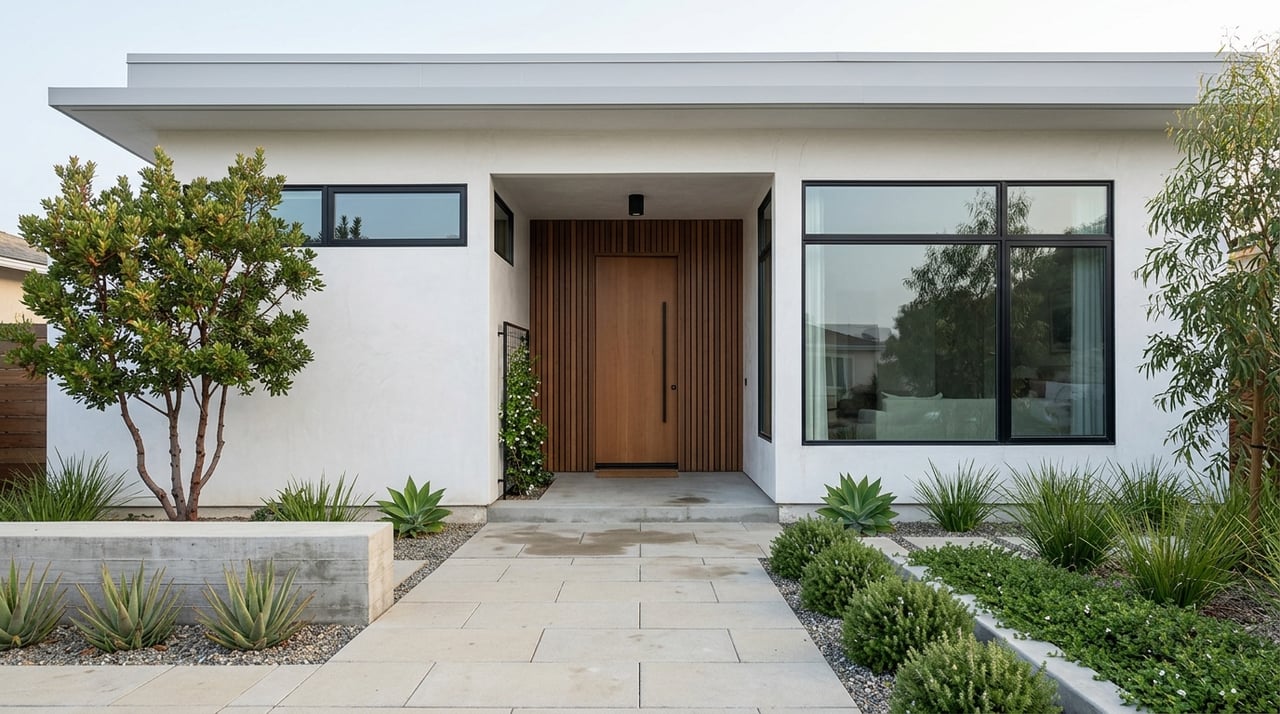
Relocating From The Desert To Coastal San Diego
April 16, 2026
April 16, 2026
Thinking about trading desert heat for ocean air? If you live in Greater Palm Springs and you are considering a move to Del Mar, the shift can feel exciting, but it also comes with a very different price point, housing mix, climate, and transaction strategy. This guide walks you through what changes when you relocate from the desert to coastal San Diego, so you can plan your move with more clarity and confidence. Let’s dive in.
If you are moving from Greater Palm Springs to 92014, the biggest adjustment is often price. According to the San Diego Association of REALTORS® March 2026 local market update for Del Mar, the median sales price was $3,912,500 for detached homes and $1,300,000 for attached homes.
That is a major jump from the desert. The Greater Palm Springs REALTORS® January 2026 Coachella Valley housing report put detached homes at a median of $675,000 and attached homes at $495,000. In broad terms, that means Del Mar detached pricing was about six times the Coachella Valley detached median, while Del Mar attached pricing was about 2.5 times the valley attached median.
It is also important to read Del Mar pricing with context. The SDAR report notes that the local sample size is small, with only 12 detached and 5 attached closings that month, so percentages and headline numbers can swing more dramatically in a luxury ZIP code. A Zillow market snapshot from February 28, 2026 showed 43 active listings and a $3,723,000 median list price, which helps show how quickly top-line numbers can vary by source and listing mix.
The desert and the coast do not offer the same level of housing supply. In Del Mar, the March 2026 SDAR update showed 35 active detached listings and 13 active attached listings. Months of supply came in at 4.4 for detached homes and 3.4 for attached homes.
By comparison, the Coachella Valley had 3,488 total listings and 5.6 months of sales in the January 2026 GPSR report. That larger inventory pool gives desert buyers and sellers a different rhythm and often more choice across price points, lot sizes, and property styles.
For you as a mover, that means the coastal search may require quicker decisions and more flexibility. Even if you are bringing strong equity from a desert sale, you may still be shopping in a smaller, more competitive inventory environment in 92014.
One of the most practical adjustments is not just budget, but product type. According to the SDAR Del Mar neighborhood profile, Del Mar has about 1,400 detached homes, 450 condominium units, and 724 apartments.
That matters because many buyers relocating from Greater Palm Springs are used to comparing detached homes with other detached homes. In Del Mar, the choice is often more nuanced. You may be comparing a larger desert home on a bigger lot with a smaller coastal condo, townhome, or compact detached property closer to the ocean.
This does not make one option better than the other. It simply reflects a different lifestyle equation. In many cases, you are trading square footage and lot size for coastal location, beach access, and a more limited inventory pool.
The weather shift is real, and it affects daily life in helpful and sometimes surprising ways. According to NOAA’s San Diego climatological summary, the Pacific Ocean moderates local weather, keeping summers cooler and winters warmer than other places at the same latitude. The report also notes that coastal fog and spring and summer low clouds are common, and that San Diego averages about 10 inches of rain, with most of it falling from November through March.
Palm Springs is nearly the opposite climate profile. NOAA’s Palm Springs normals show mean daily maximum temperatures of 103.6°F in June, 108.6°F in July, and 108.1°F in August, with just 4.61 inches of annual precipitation.
For many desert homeowners, that sounds like relief. But the move is not only about escaping extreme heat. It is also about getting used to marine air, cooler mornings, damp conditions, and a more seasonal moisture pattern than you may be used to in the Coachella Valley.
When the ocean becomes part of your backdrop, home maintenance priorities shift. FEMA’s Coastal Construction Manual explains that salt spray and moisture can contribute to corrosion and decay in building materials. FEMA also notes that water intrusion can lead to leaks, corrosion, dry rot, and mold growth.
Its guidance on corrosion protection adds another important point: metal connectors on the ocean-facing side of buildings can corrode faster, and partially sheltered areas may corrode even more because they stay damp longer. Caltrans guidance similarly advises that coastal and marine environments may require improved corrosion protection, with stainless steel often preferred over galvanized steel for critical components.
In practical terms, that means you may spend less time thinking about heat and dust and more time paying attention to moisture control, exterior inspections, sealants, hardware, and material durability. If you are viewing homes in Del Mar, these are smart issues to keep in mind during inspections and long-term ownership planning.
If you are using desert equity to make the move, timing deserves careful attention. The GPSR January 2026 report says detached prices in the Coachella Valley usually hit a seasonal low in autumn and a seasonal high in spring. That seasonal pattern can affect when you choose to list your current home.
The same report described the valley as supply-heavy at the start of 2026, with 5.6 months of sales. If your goal is to maximize proceeds from a desert property, your listing strategy may need to account for both inventory levels and the spring pricing pattern.
At the same time, Del Mar operates on a very different scale. With just 35 detached and 13 attached listings in March 2026, the coastal side of the move may require you to be ready when the right property appears.
For many homeowners, this move is less about finding a single new home and more about coordinating two major transactions. You may need to decide when to list in the desert, how much flexibility you need on closing dates, and whether your Del Mar purchase depends on cash from your sale.
That is where financing sequence becomes important. Fannie Mae’s selling guide discusses bridge or swing loans, noting that these funds can be used to close on a new principal residence before your current one sells. The Consumer Financial Protection Bureau’s homebuying resources also stress the value of comparing loan options early, which is especially useful when you are managing two transactions and a large price step-up.
A good relocation strategy usually starts with a few practical questions:
When you answer those questions early, your move becomes more manageable and far less reactive.
Relocating from the desert to Del Mar is a lifestyle shift, but it is also a numbers-and-planning exercise. You are moving from a broader, more supply-rich market into a smaller coastal ZIP where prices are higher, inventory is tighter, and housing choices may look different than what you are used to.
The good news is that a well-planned move can still feel smooth. When you understand the market gap, prepare for the maintenance differences, and build a clear strategy for sequencing your sale and purchase, you put yourself in a much stronger position to make the transition with confidence.
If you are planning a move from Greater Palm Springs to coastal San Diego, Ryan Cummings can help you think through the timing, strategy, and next steps with a tailored relocation plan.
Stay up to date on the latest real estate trends.
Etiam non quam lacus suspendisse faucibus interdum. Orci ac auctor augue mauris augue neque. Bibendum at varius vel pharetra. Viverra orci sagittis eu volutpat.