How to Buy a Joshua Tree Investment Retreat
May 14, 2026
May 14, 2026
Dreaming about a Joshua Tree escape that can also help offset ownership costs? You are not alone. Many buyers are drawn to the area for its desert character, design appeal, and access to Joshua Tree National Park, but buying with rental potential takes more than finding a photogenic cabin. You need to understand how the area works, what guests expect, and where due diligence matters most. Let’s dive in.
Joshua Tree has a strong identity that goes far beyond vacation-home buzz. San Bernardino County describes the community as a gateway to the national park, with local values that include responsible tourism, dark skies, sustainability, and a distinct "Desert Funk" design style.
That identity matters if you are buying here. A home that feels connected to the landscape and respectful of the setting often makes more sense than a property that could be dropped into any market.
Joshua Tree National Park also brings steady visitor interest. The park recorded 2,932,644 visits in 2025, and the busiest stretch is generally October through May, with weekends, holidays, and spring break seeing the heaviest traffic.
For you as a buyer, that seasonality helps shape both personal use and rental strategy. It can influence when you plan to visit, when demand may be stronger, and how you think about operating costs during hotter and quieter periods.
Joshua Tree's built environment has deep roots in homesteading. The National Park Service notes that early homesteaders left behind many small farms and cabins, and that legacy still shapes how people experience the area today.
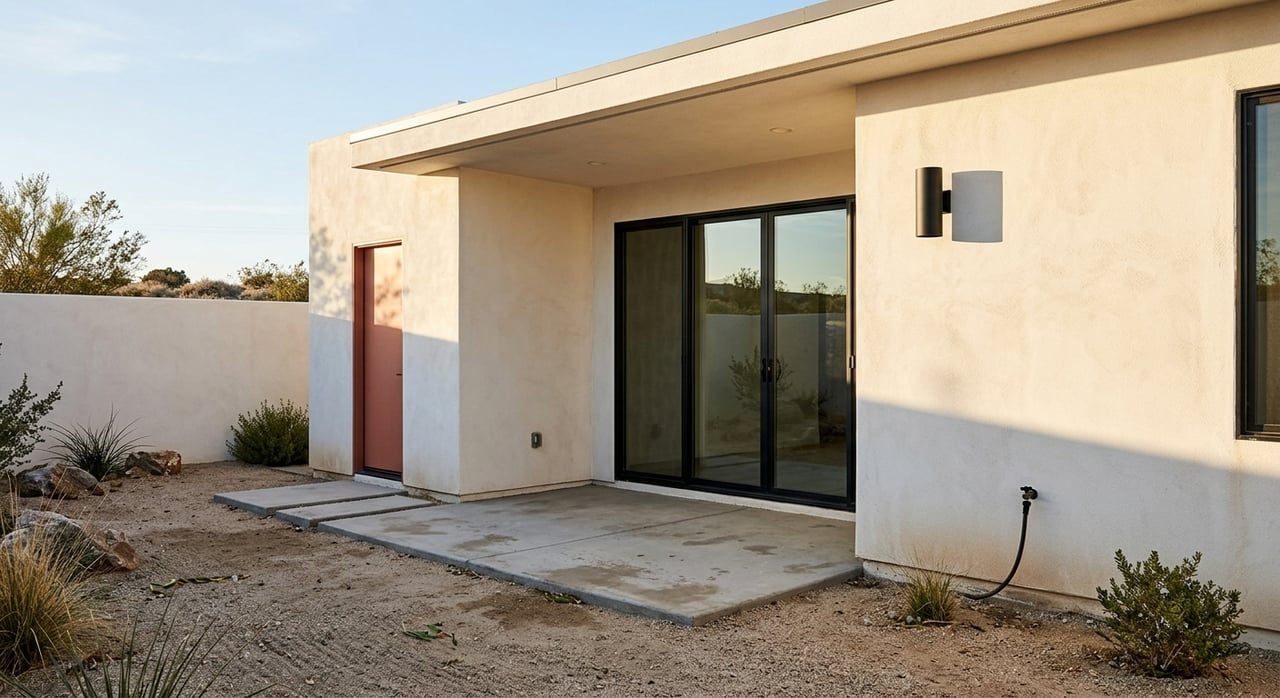
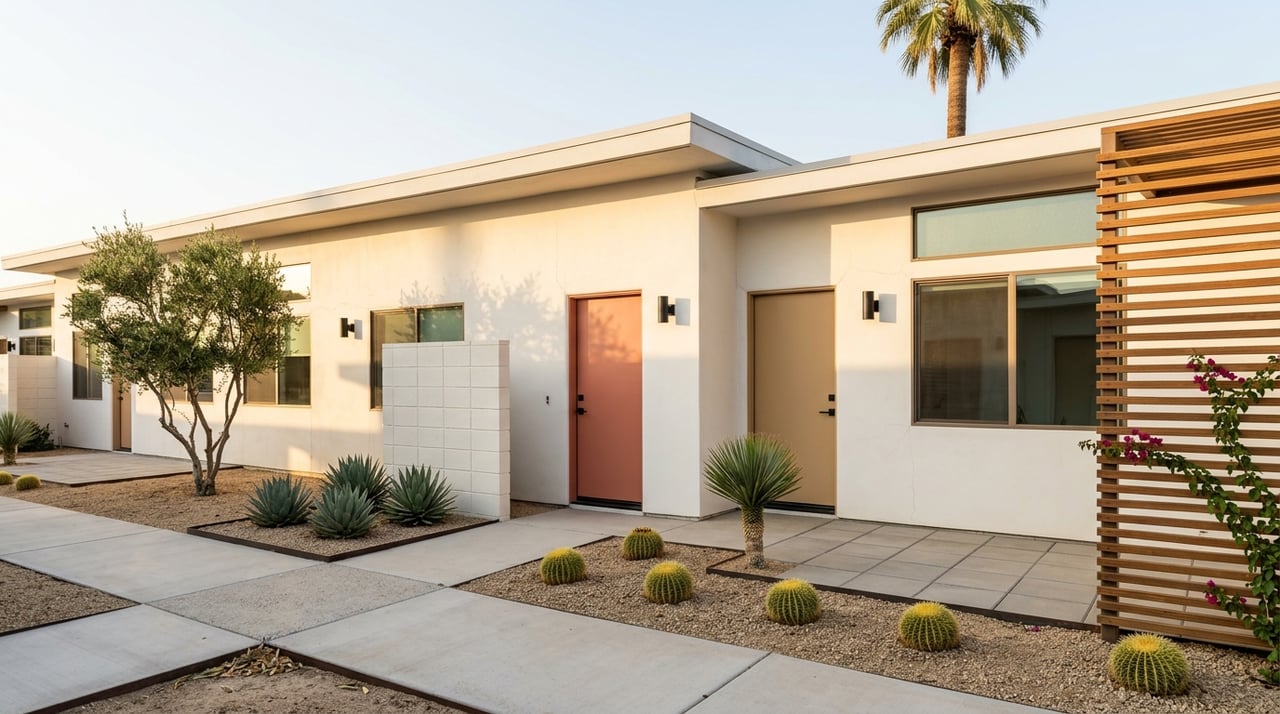
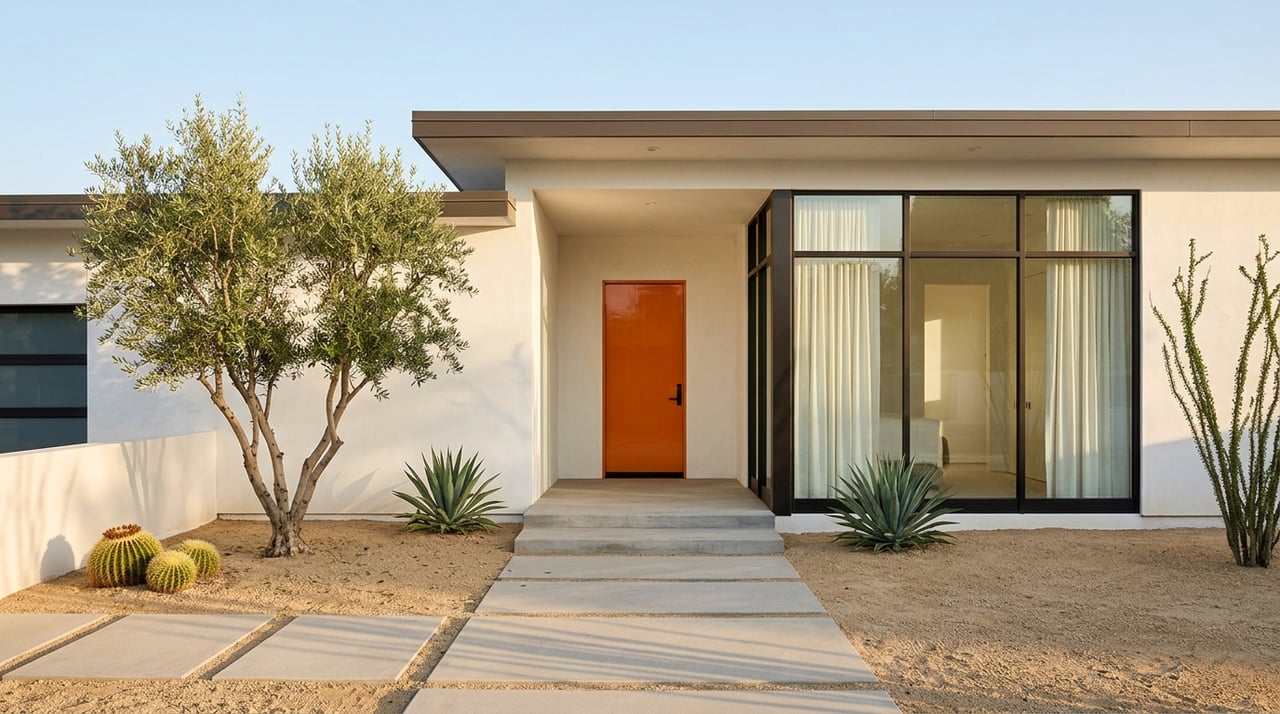
That history supports a style of home many buyers already love: compact cabins, modest desert houses, and thoughtfully updated retreats that feel native to the setting. In Joshua Tree, architecture often matters as much as square footage.
The area also has a broader design story. The Joshua Tree Retreat Center is known for its collection of Lloyd Wright mid-century buildings and its Organic Architecture approach, which adds another layer to the local visual language.
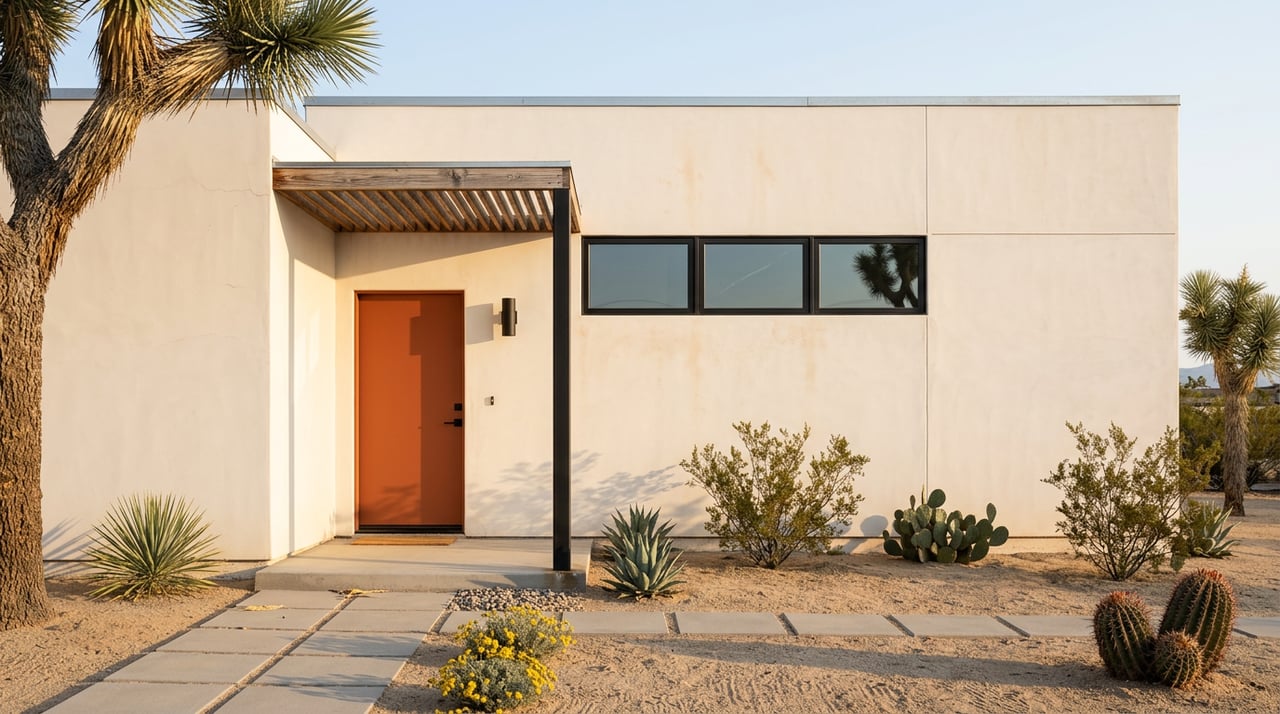
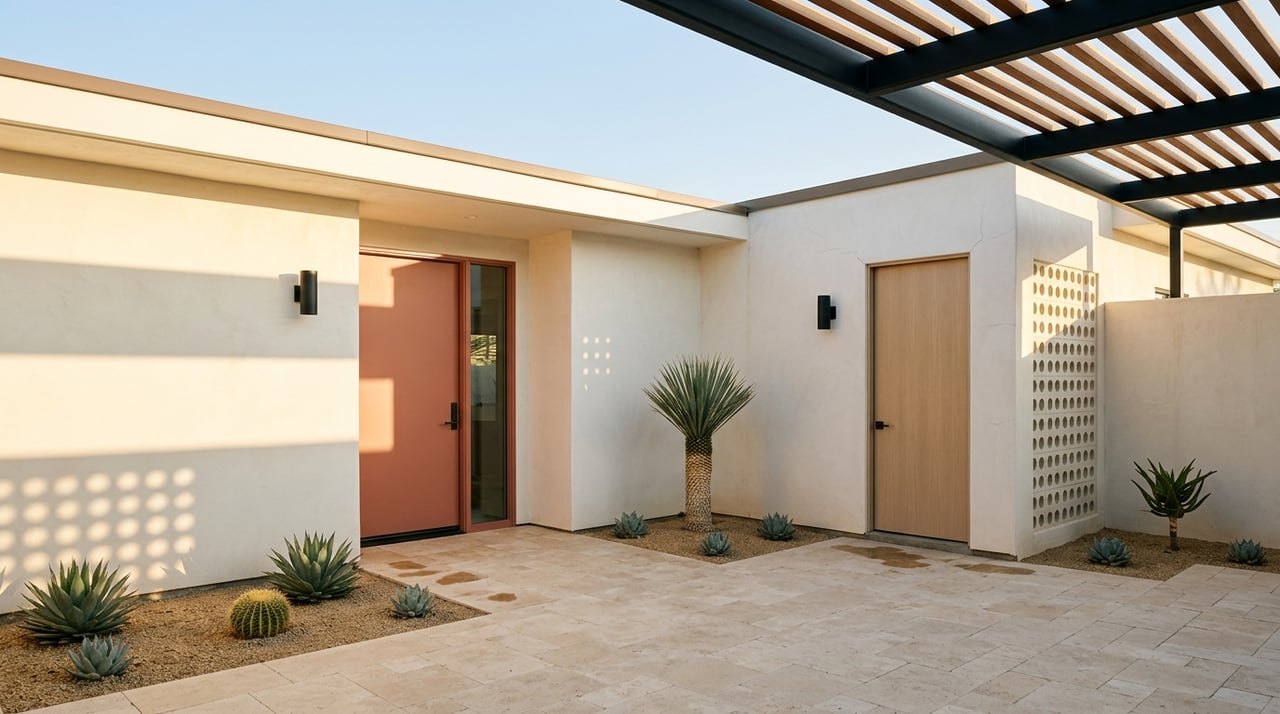
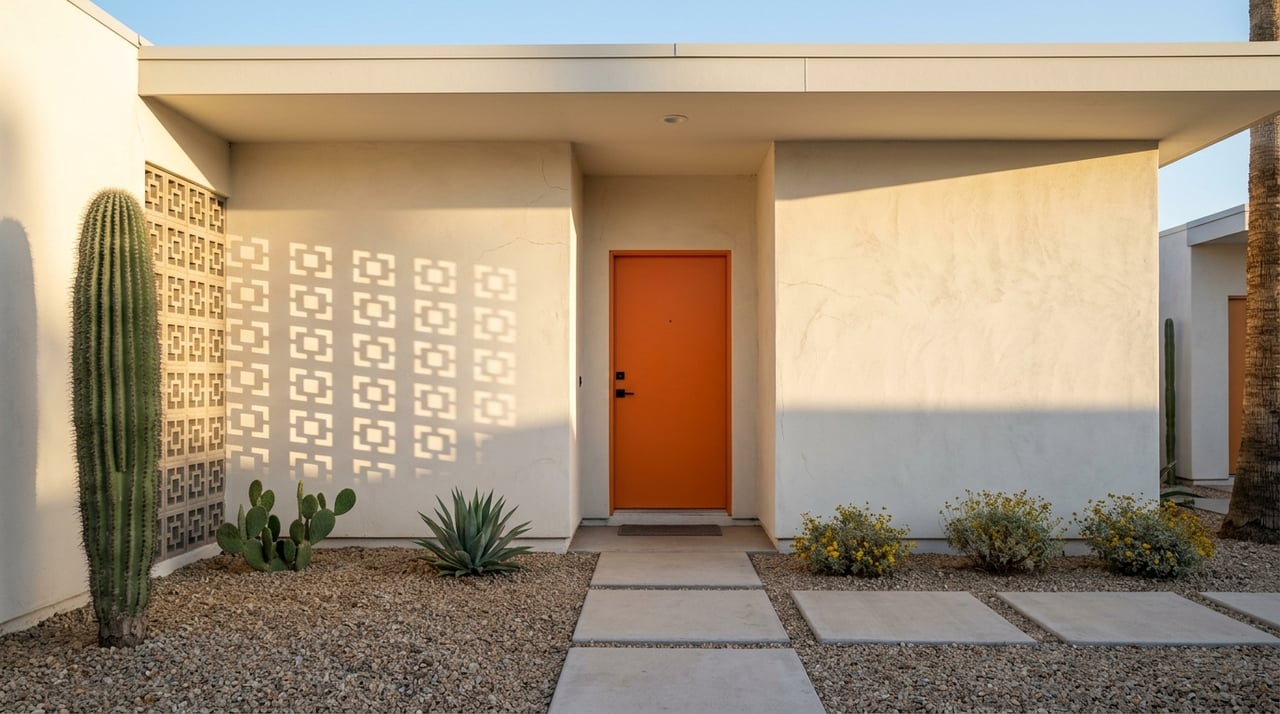
If you are shopping with rental potential in mind, it helps to focus on homes that feel authentic to the desert. Buyers and guests are often drawn to homes with simple forms, durable materials, and outdoor spaces that work with the climate rather than against it.
Guest appeal in Joshua Tree is not just about aesthetics. Practical comfort matters because the park itself has no gas stations, restaurants, grocery stores, or hotels, and cell coverage can be limited.
That means a rental-ready home often benefits from basics that reduce friction. Think reliable Wi-Fi, clear arrival instructions, easy parking, durable finishes, and house information that guests can use even if they lose service.
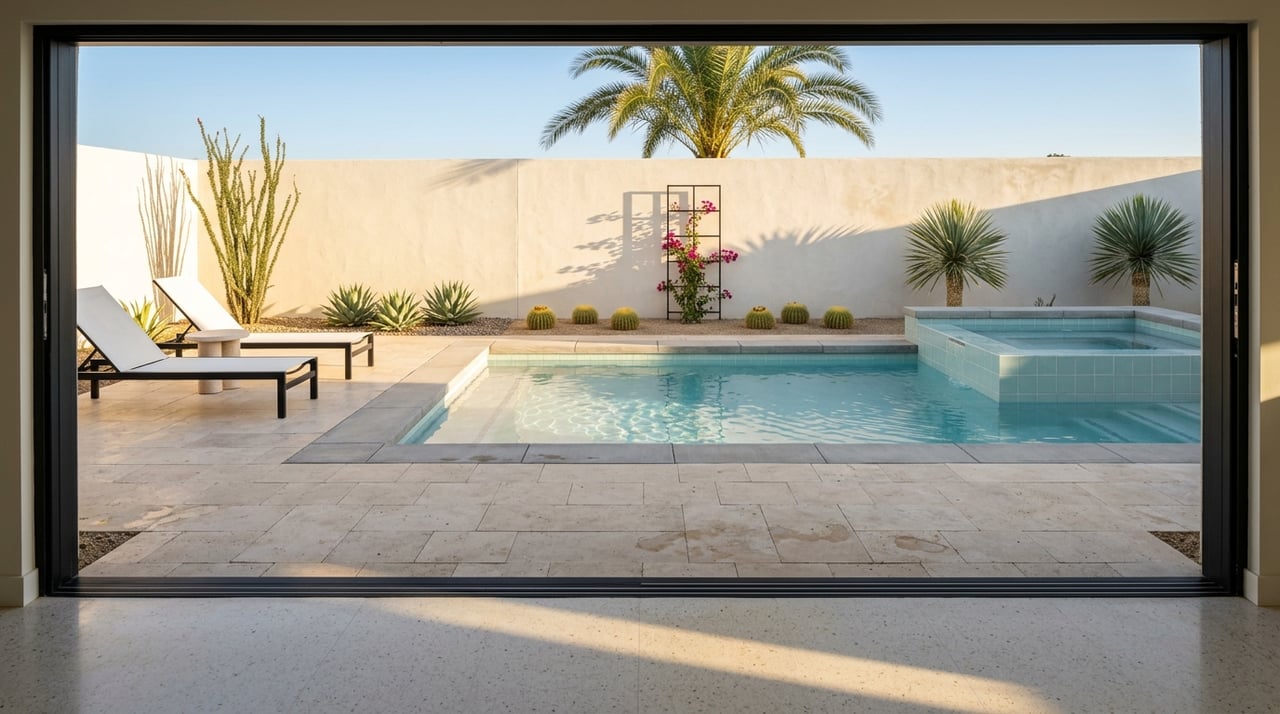
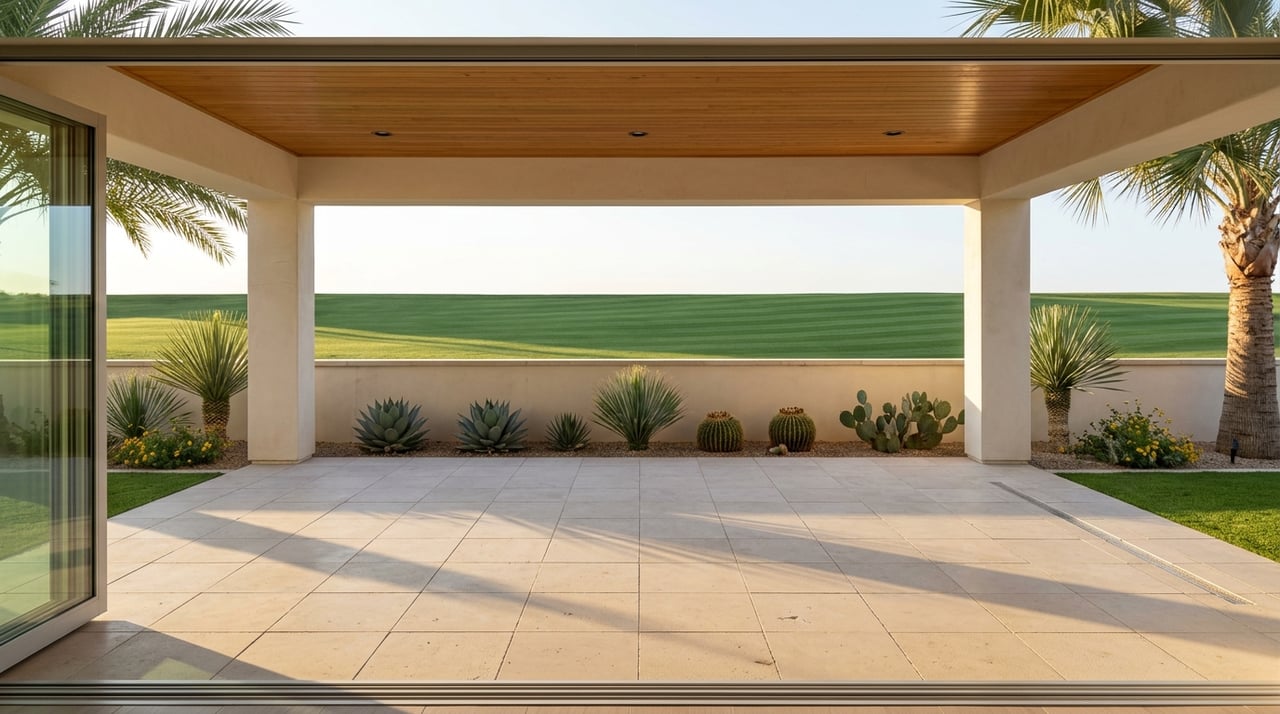
Outdoor areas also need to be realistic for the High Desert. Shaded seating, weather-aware materials, and low-maintenance landscaping can support a better guest experience while making ownership more manageable.
Before you fall in love with a layout or a view, confirm whether the property fits your intended use. In San Bernardino County, a permit is required for private homes in the mountain and desert regions that are rented for 30 days or less.
This is not a detail to sort out later. The county states that the permit is required for both advertising and rental use, and the application includes an exterior inspection for parking and compliance, along with annual renewal.
You should also know what property types are allowed. County rules allow certain uses such as single-family dwellings, duplexes, rooms in dwellings, guest houses, condos, and some ADUs as short-term rentals.
At the same time, some property types are not allowed for this use. The county does not allow apartments, yurts, travel trailers, or RVs as short-term rentals under these rules.
A common mistake is assuming a desert retreat can double as an event venue. San Bernardino County prohibits commercial uses such as weddings, receptions, corporate retreats, business meetings, conferences, and filming or photography shoots unless they are separately regulated by a county-issued permit.
That means your business plan needs to match the actual rules for the property. If you are buying for nightly or weekend lodging, stay focused on that use and verify the details early.
San Bernardino County provides a permitted short-term rental map for unincorporated areas. Before you market a property as rental-ready, verify the address and confirm how the county classifies it.
This is especially important if you are thinking about a flexible use plan. If the property will be rented for more than 30 days at a time, you should confirm which rules apply rather than assuming short-term rental compliance covers everything.
In Joshua Tree, the right due diligence can save you time, money, and frustration. A beautiful home can still come with practical issues that affect how you use it, maintain it, or prepare it for guests.
For many buyers, the key questions are straightforward. Does the property qualify for a permit if you want short-term rental use? What do the parking, noise, septic, and well records look like? Is your plan based on nightly stays or longer seasonal occupancy?
These are not minor details. They are part of understanding whether the home truly fits your goals.
Infrastructure can look different here than in more urban markets. San Bernardino County's community plan states that there are no sewer systems in the Joshua Tree Community Plan area.
County Environmental Health says a home must connect to sewer when available or use an onsite wastewater treatment system, also called OWTS or septic, when sewer is not available. The OWTS program also includes ownership-transfer paperwork and maintenance rules in sensitive areas.
For you, that means septic review should be part of the buying process, not an afterthought. If a home is not on sewer, you will want clarity on system status, records, and any transfer-related requirements.
Water access also deserves careful review. County Environmental Health says well construction, destruction, or rehabilitation requires a county permit.
If the property has a well, ask for documentation early. A desert purchase with rental potential should come with a clear picture of the property's utility setup, not guesswork.
Joshua Tree ownership works best when you think in terms of resilience. San Bernardino County's High Desert landscaping guide notes wide temperature swings, strong spring winds, and very hot summers, all of which shape how homes and outdoor areas perform over time.
That has direct implications for a retreat property. Materials, irrigation, shade, and maintenance routines all need to support a climate that can be demanding.
The county guide says more than half of household water use is outdoors. In a market where low-maintenance ownership matters, water-wise landscape planning is not just a design choice. It is part of operating the home well.
That can include low-water planting, seasonal irrigation scheduling, and outdoor layouts that reduce stress on the property. A clean gravel-and-native-plant approach often suits both the setting and the practical realities of ownership.
If the lot includes Joshua trees or sparse desert planting, the county guide offers useful guardrails. Established Joshua trees need little if any irrigation, and construction or trenching should be avoided within 10 feet of the trunk.
The guide also recommends low-fire-fuel plantings, pruning dead wood, and keeping vegetation away from structures. In hazardous areas, it recommends clearing flammable vegetation 30 to 100 feet from structures.
These steps matter for long-term stewardship. They also help you keep the property functional and easier to maintain between visits or guest stays.
The strongest Joshua Tree purchases usually balance three things: character, compliance, and durability. A compelling home may have the design presence you want, but it also needs the right legal use, workable infrastructure, and realistic upkeep.
As you evaluate properties in 92252, look for a home that feels true to the desert and makes sense on paper. That means matching your goals to county rules, checking systems carefully, and thinking about the guest experience in a place where self-sufficiency matters.
If you get those pieces right, a Joshua Tree retreat can be both a meaningful personal escape and a more informed investment decision. And when you work with a team that understands architecture, lifestyle buyers, and desert-market details, the process becomes much clearer.
If you are considering a Joshua Tree purchase and want guidance that blends design awareness with practical market insight, connect with Ryan Cummings for a tailored consultation.
Stay up to date on the latest real estate trends.
Etiam non quam lacus suspendisse faucibus interdum. Orci ac auctor augue mauris augue neque. Bibendum at varius vel pharetra. Viverra orci sagittis eu volutpat.