Cathedral City vs Palm Springs Homes: Compare Your Fit
Real Estate John Moore May 21, 2026
Real Estate John Moore May 21, 2026
Trying to choose between Cathedral City and Palm Springs? If you are buying in the Coachella Valley, that decision can shape everything from your budget to your daily routine to the kind of home you live in. The good news is that both cities offer strong options, just with different tradeoffs. This guide will help you compare pricing, home styles, access, and lifestyle so you can narrow in on the desert fit that feels right for you. Let’s dive in.
For many buyers, the first major difference is price. In early 2026, Cathedral City came in at a lower price point than Palm Springs across several market measures.
Redfin reported a March 2026 median sale price of $543,000 in Cathedral City and $610,000 in Palm Springs. Realtor.com also showed a noticeable gap in median listing prices, at about $517,000 in Cathedral City versus $730,000 in Palm Springs. On a practical level, that often means your budget may stretch further in Cathedral City.
Census QuickFacts supports the same pattern in long-term home values. The median owner-occupied home value was listed at $453,100 in Cathedral City and $604,000 in Palm Springs. If you are weighing affordability first, Cathedral City typically enters the conversation as the more value-oriented option.
Both cities offer a range of residential property types, but the overall mix feels different when you compare them side by side. Your choice may come down to whether you want flexibility and value, or a more design-centered identity.
Cathedral City’s housing planning documents describe a range of residential densities, from single-family homes to high-density development. The city also maintains housing resources that include affordable apartments, mobile homes, and other lower-cost options.
For you as a buyer, that points to a broader housing mix and more price flexibility. If you want practical options and room to compare different product types, Cathedral City may offer more paths into the market.
Palm Springs also supports a variety of housing types, including single-family homes, apartments, townhomes, mobile homes, and smaller courtyard or small-lot development. That variety is important, but Palm Springs stands out for something else as well.
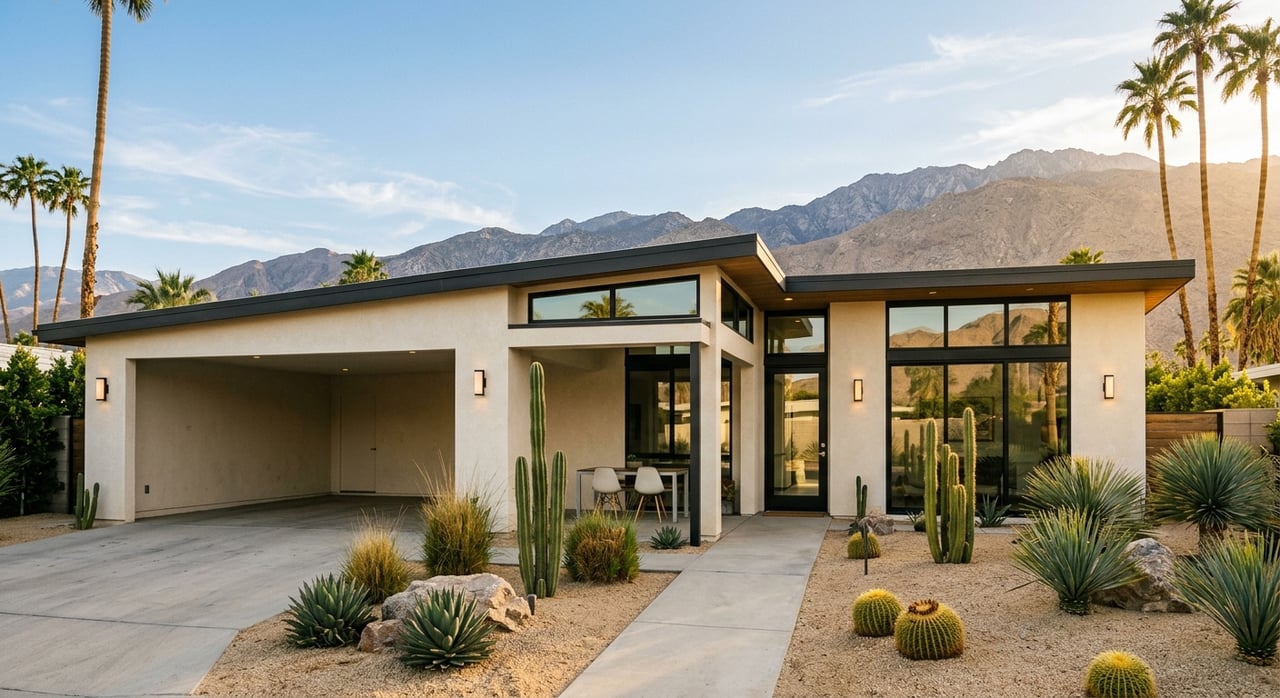
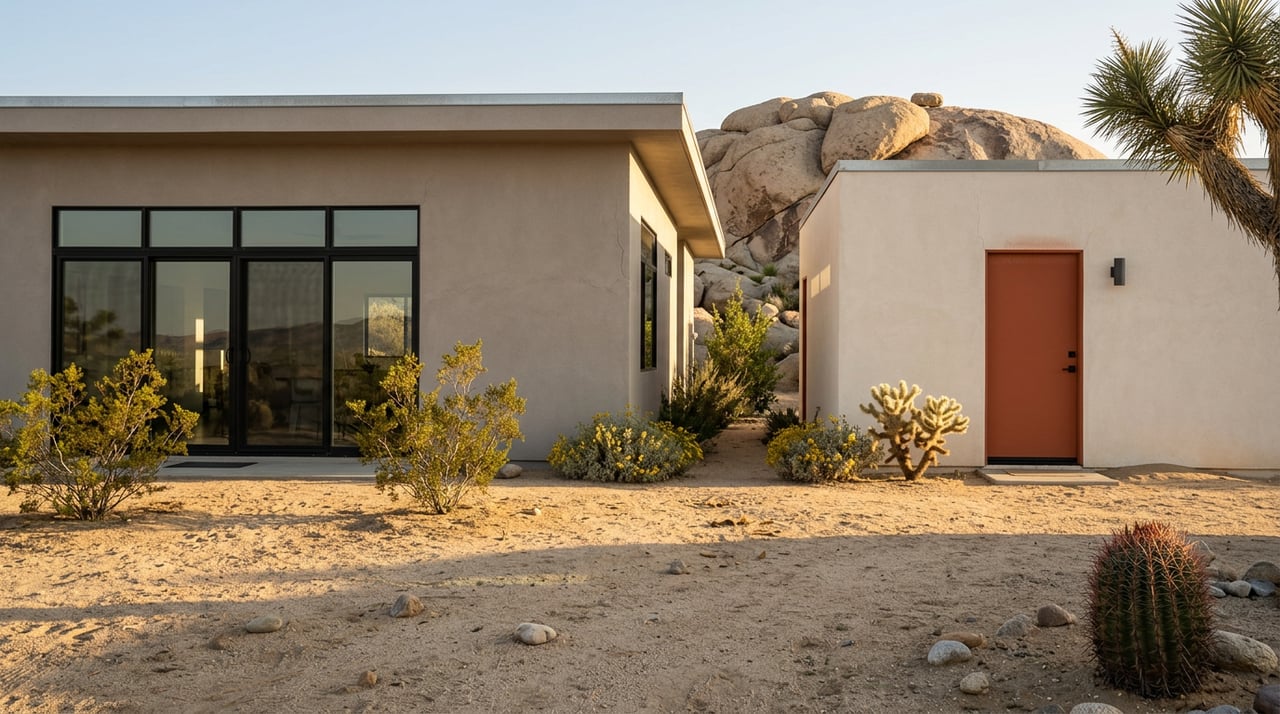
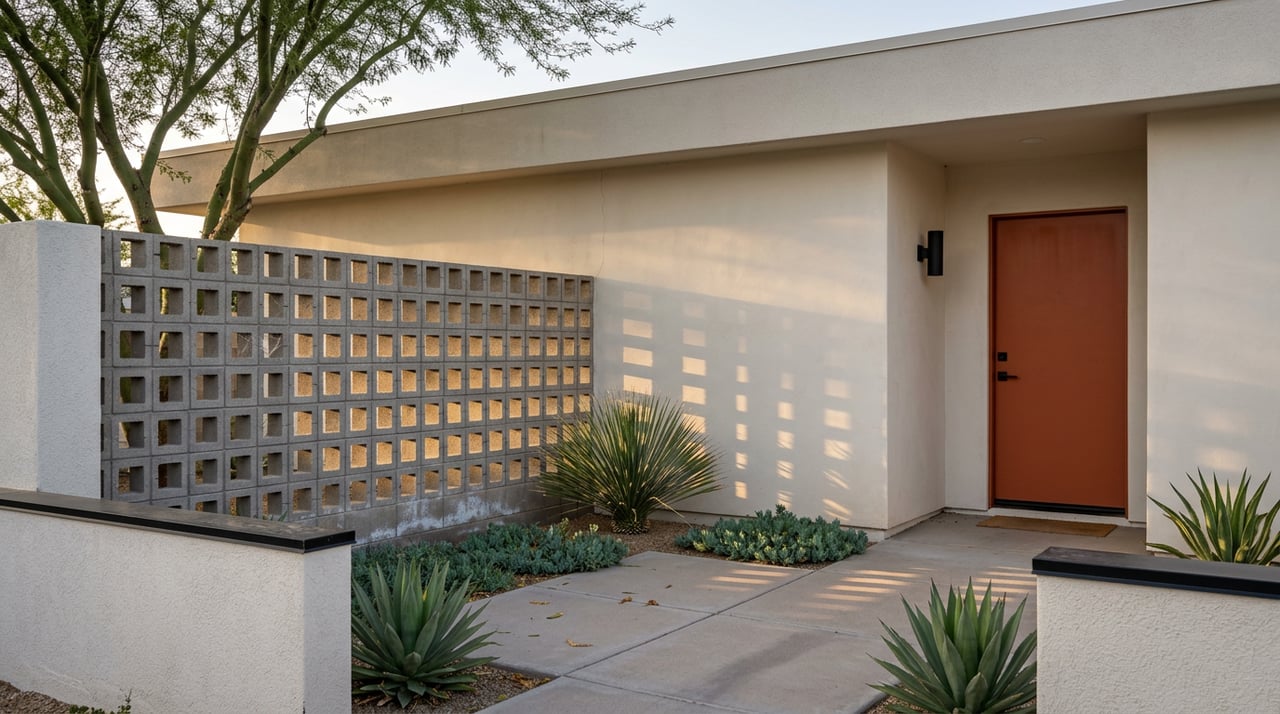
The city places a strong emphasis on preserving architectural character. Palm Springs is especially known for Mid-Century Modern architecture, and city design policies reflect that heritage. If you care deeply about iconic desert design, Palm Springs may have stronger appeal.
Home style matters to many desert buyers, especially if you want a property that feels connected to the area’s design history. This is one of the clearest distinctions between the two cities.
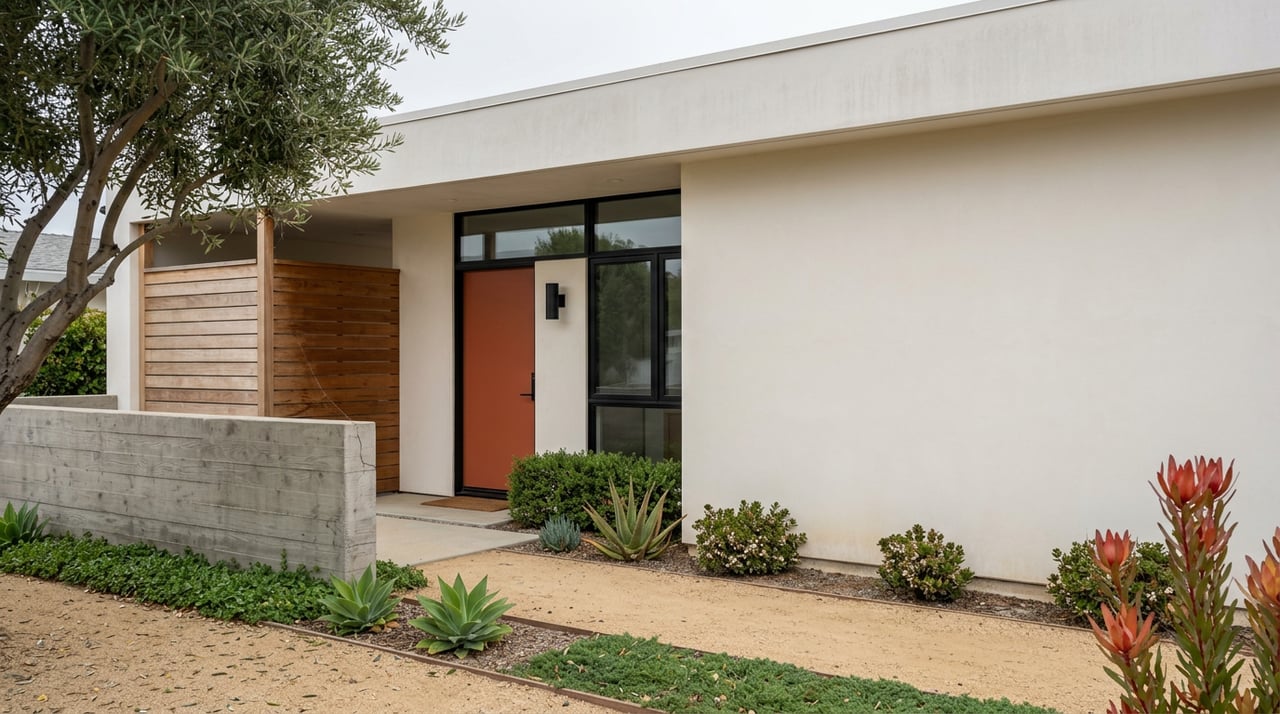
Cathedral City’s heritage includes desert-adapted homes in the Cove area, along with mid-century modern, mission-style, and civic-center landmarks. That creates a more eclectic architectural identity.
In simple terms, you may find a wider stylistic spread in Cathedral City. That can be a plus if you are open-minded about architecture and more focused on layout, lot, or price.
Palm Springs has a more defined architectural brand. The city is widely associated with Mid-Century Modern homes, and its planning and preservation framework supports that identity.
For design-minded buyers, that can make the search feel more curated. If your goal is to own a home with a classic Palm Springs aesthetic, the city often delivers that sense of place more directly.
Where you buy is not just about the house. It is also about how easily you can move through daily life, reach services, and connect to the rest of the region.
Cathedral City is positioned along both sides of Interstate 10, which gives it a strong regional access advantage. City documents also show transit service on Palm Drive, Date Palm Drive, Vista Chino, Ramon Road, Highway 111, and the I-10 corridor.
SunLine also operates a Cathedral City SunRide microtransit zone. For buyers who want solid road access and helpful local transit coverage, Cathedral City offers a practical transportation setup.
Palm Springs also has SunLine service, including routes 1WV, 2, and 4, plus SunRide microtransit. The biggest access advantage, though, is Palm Springs International Airport.
According to the city, PSP is the region’s only commercial airport and offers nonstop service to many U.S. and Canadian cities through multiple airlines. If you travel often or expect guests to fly in regularly, that airport convenience can be a meaningful factor.
These two cities offer different day-to-day experiences. Neither is automatically better, but each supports a different kind of desert lifestyle.
Cathedral City has been actively building up its downtown as a shopping, dining, and entertainment district. City materials highlight the civic center area, the Community Amphitheater, the Fountain of Life, the Mary Pickford Theatre, CVRep Theatre, and the Perez Road Business District.
The Perez Road Business District is also notable for its concentration of home-improvement and design-oriented businesses, with more than 200 businesses in the area according to the city. If you value everyday convenience and a growing local amenity base, Cathedral City has a lot to offer.
Palm Springs has a more established resort-town core. City materials describe shopping, entertainment, dining, recreation, and pedestrian-oriented districts as central parts of its identity.
The city also highlights VillageFest on downtown Palm Canyon Drive, Downtown Park, the public library, parks, a municipal golf course, and a dog park. If you want a denser cluster of destination-style amenities and a more iconic downtown experience, Palm Springs tends to stand out.
The better option depends on what matters most to you. In many cases, buyers are not deciding between a good city and a bad one. They are deciding between different strengths.
Cathedral City often makes sense if you want to maximize value without leaving the central Coachella Valley. It can be especially appealing if your top priorities are budget, variety, and convenience.
Palm Springs often makes sense if you are looking for an iconic address, design-forward housing, and a more concentrated lifestyle environment. For many second-home buyers, that combination is a major draw.
If you are still torn, ask yourself one practical question: do you want the best value fit for your budget, or the strongest match for a specific Palm Springs lifestyle vision? That single tradeoff often brings the answer into focus.
Cathedral City tends to offer more flexibility on price and housing mix. Palm Springs tends to offer stronger architectural branding, denser amenities, and easier air travel access. Once you know which of those matters more to you, your search becomes much clearer.
If you want help comparing neighborhoods, home styles, and price points across the valley, Ryan Cummings can help you evaluate the options with local insight and a design-aware perspective.
Stay up to date on the latest real estate trends.
Etiam non quam lacus suspendisse faucibus interdum. Orci ac auctor augue mauris augue neque. Bibendum at varius vel pharetra. Viverra orci sagittis eu volutpat.